Pakistan Petrol Price Jumps to Rs 458.40 — Full Breakdown & How to Claim Your Motorcycle Subsidy
In one of the largest single fuel price revisions in Pakistan’s history, petrol has surged by Rs 137 per litre. Here is everything you need to know — and exactly how motorcyclists can claim Rs 100 off every litre for the next three months.
New Petrol and Fuel Prices Effective 3 April 2026
The government announced a massive increase in petrol price and diesel rates in a joint press conference held by Minister of State for Finance Ali Pervaiz Malik alongside Federal Finance Minister Muhammad Aurangzeb.
Pakistan raised petrol by Rs 137.23 to Rs 458.41 and diesel by Rs 184.49 to Rs 520.35, linking the increase to disruption in global energy markets caused by the Middle East conflict.
| Fuel Type | Old Rate (Rs/litre) | New Rate (Rs/litre) | Increase (Rs) |
|---|---|---|---|
| Petrol (Motor Spirit) | 321.17 | 458.40 | +137.23 |
| High-Speed Diesel (HSD) | 335.86 | 520.35 | +184.49 |
| Kerosene Oil | 423.72 | 457.80 | +34.08 |
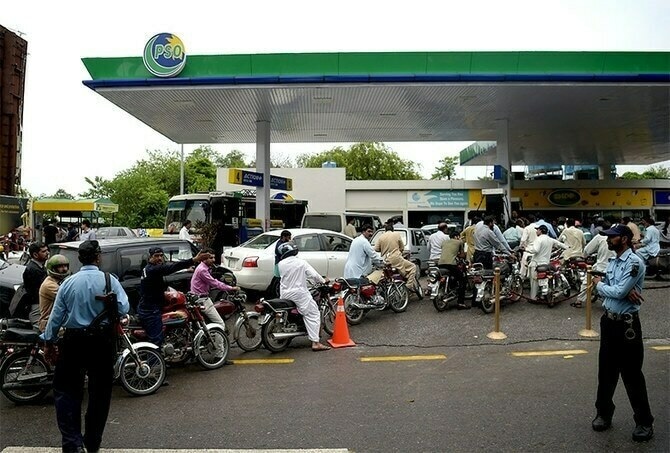
The new petroleum prices are effective from Friday, 3 April 2026 and apply across all cities in Pakistan — Karachi, Lahore, Islamabad, Rawalpindi, Faisalabad, Multan, Peshawar, and Quetta included. All petrol stations nationwide are legally required to charge these rates.
Why Did Petrol Prices Increase So Sharply?
This is one of the largest single-revision fuel price increases in Pakistan’s history. Several compounding factors made this hike unavoidable, according to the government.
1. The Middle East Conflict and Strait of Hormuz Blockage
The dramatic increase comes amid a global fuel crisis triggered by the US-Israeli war with Iran, ongoing since February 28. Tehran responded by effectively blocking the Strait of Hormuz and targeting refineries in the Gulf. Since a significant share of the world’s crude oil passes through this vital waterway, supply disruptions immediately pushed international oil prices to extreme levels.
2. IMF Programme Conditions
The move comes amid Pakistan’s commitments to the International Monetary Fund, which has repeatedly called for reducing subsidies and aligning domestic energy prices with global market rates. The government had earlier pledged to implement such reforms as part of its economic programme.
3. Government Could No Longer Absorb the Subsidy
The petroleum minister said a meeting chaired by Prime Minister Shehbaz Sharif and attended by chief ministers concluded that blanket subsidies were no longer sustainable in the face of rising global prices. He said the government had therefore decided to focus support on vulnerable groups instead.
4. Repeated Prime Ministerial Rejections Could Not Continue
Prime Minister Shehbaz Sharif had repeatedly rejected proposed hikes, including Rs 95 per litre for petrol and Rs 203 for diesel, in an attempt to shield citizens. Previous interventions included a Rs 55 per litre hike in March and austerity measures aimed at cushioning the blow. However, with international prices continuing to climb, the government ultimately had no choice but to pass on a portion of the cost.
“Despite severe economic difficulties, the government is trying to help the poor people in every possible way.”
— Prime Minister Shehbaz SharifComplete Motorcycle and Transport Subsidy Package — April 2026
Following the record increase in petrol price, the government unveiled a relief package aimed at easing the burden on key segments, including motorcyclists, transporters, and small farmers.
Federal Finance Minister Muhammad Aurangzeb announced that motorcyclists will receive a subsidy of Rs 100 per litre on up to 20 litres of petrol per month. The relief will be provided for a period of three months.
This means that instead of paying Rs 458.40 per litre, an eligible motorcyclist will effectively pay Rs 358.40 per litre for their monthly quota of up to 20 litres.
Full Subsidy Package — All Sectors at a Glance
Intercity and freight transport will also be given a subsidy of Rs 100 per litre for one month. Goods transport vehicles will receive monthly financial support, with trucks getting Rs 70,000 and larger vehicles Rs 80,000. Public service buses will be provided a monthly subsidy of Rs 100,000, while the government will also extend financial assistance to Pakistan Railways. In addition, small farmers will be given a one-time subsidy of Rs 1,500 on diesel to support agricultural activities.
| Beneficiary | Subsidy Amount | Duration |
|---|---|---|
| Motorcyclists & Rickshaw Owners | Rs 100/litre (up to 20L/month) | 3 Months |
| Intercity & Freight Transport | Rs 100/litre on diesel | 1 Month |
| Trucks (Goods Transport) | Rs 70,000 per month | 1 Month (Reviewed) |
| Larger Goods Vehicles | Rs 80,000 per month | 1 Month (Reviewed) |
| Public Service Buses | Rs 100,000 per month | 1 Month (Reviewed) |
| Pakistan Railways | Direct financial assistance | TBA |
| Small Farmers (Diesel) | Rs 1,500 one-time payment | One-Time |
Important: The finance minister said the subsidy measures will be reviewed after one month. The motorcycle subsidy is confirmed for three months, but other transport subsidies could be extended, reduced, or revised after the first review cycle. Stay bookmarked on pakistanpetrolprices.com for all updates.
How the Digital Petrol Subsidy System Works
The government is not simply lowering prices at all pumps. Instead, it has built a targeted, technology-driven system to ensure only eligible citizens receive the subsidy. Understanding this system is key to accessing your benefit.
The Pakistan Digital Authority has completed development of the application, which is currently undergoing final testing before its expected launch. The system has been tested at both the user and retailer levels to ensure operational efficiency. Security protocols and data verification mechanisms have also been rigorously examined.
The Digital Infrastructure at Petrol Pumps
The government is deploying 24,000 mobile phones across around 12,000 petrol pumps nationwide, with two devices per pump. Oil marketing companies will procure the devices and supply them to the pumps, while the Ministry of IT will oversee the rollout. The system will allocate two dedicated nozzles per pump for subsidised fuel.
Consumers, particularly motorcyclists and three-wheeler owners, will access their quota through a mobile application using digital vouchers or QR codes. Eligible motorcycles are expected to receive 20 to 30 litres per month, with controls in place to prevent exceeding the assigned quota.
Database Integration
Officials are integrating records from the Benazir Income Support Program (BISP) along with databases developed during the COVID-19 pandemic and recent flood relief operations to accurately identify deserving beneficiaries. This means that if you are already a BISP beneficiary, you have a very high chance of being automatically enrolled in the subsidy scheme.
Who Is Eligible for the Motorcycle Petrol Subsidy?
The Prime Minister directed that consumers using small vehicles including motorcycles, rickshaws, and 800cc vehicles be included in the petroleum subsidy, stating that these are used by low-income people, so the petroleum subsidy will directly lead to the relief of poor people.
Motorcycles, rickshaws (Qingqi), and three-wheelers. Cars 800cc and below may also be included.
Valid, non-expired Computerized National Identity Card (CNIC) issued by NADRA. Your SIM must also be registered against this CNIC.
The motorcycle or rickshaw must ideally be registered in your own name. Authorities are working to accommodate cases where this is not the case.
Priority is given to low-income households — particularly those already registered with BISP (Benazir Income Support Programme).
The mobile number you use for registration must be registered against your own CNIC in the NADRA database.
The subsidy is limited to one vehicle per CNIC. Multiple registrations will result in disqualification from the scheme.
All families currently receiving the quarterly BISP Kafalat stipends are automatically eligible. The scheme is targeted at individuals with a total household income below Rs 40,000 per month who own motorcycles, rickshaws, or Qingqi vehicles.
Step-by-Step Procedure to Register for the Motorbike Petrol Subsidy
There are two official methods to register for the subsidy — via SMS (fastest and recommended for all users) and via the official online portal. Both are completely free of charge. Do not pay any agent or third party to register on your behalf.
Method 1: SMS Registration (Recommended)
-
1Open the SMS / Messaging App on Your Mobile Use the phone that is registered under your own CNIC number in NADRA’s database.
-
2Type Your 13-Digit CNIC Number Type your 13-digit CNIC number (without spaces or dashes) and send this message to the shortcode 786.
-
3Wait for Eligibility Confirmation You will receive an automated SMS reply within a few minutes confirming whether you are eligible. If the system is busy, wait up to 24 hours before retrying.
-
4Complete Any Additional Verification If additional information is required, the system will send instructions via SMS. This may include confirming your vehicle registration number.
-
5Receive Your Monthly Subsidy Code or QR Voucher Once enrolled, you will receive a monthly digital voucher or OTP code via SMS before the start of each month.
Method 2: Online Portal Registration
-
1Download the Official Petrol Subsidy App Download the official Petrol Subsidy App from the Google Play Store. Enter your 13-digit CNIC number without dashes. An iOS version is also expected to be released simultaneously.
-
2Enter Your CNIC and Mobile Number Provide your mobile number registered with NADRA. Enter your vehicle registration number and chassis number.
-
3OTP Verification Wait for the OTP verification. Once verified, your monthly fuel quota will appear in the app dashboard.
-
4Check Your BISP Eligibility via 8171 (if needed) If you are unsure of your BISP status, visit 8171.bisp.gov.pk or send your CNIC to 8171 via SMS to check your eligibility before applying for the fuel subsidy.
-
5Alternative: Visit a BISP Facilitation Centre If you do not have a smartphone or are experiencing technical difficulties, visit your nearest BISP Facilitation Centre or Tehsil-level government office. Staff can assist with in-person registration.
How to Claim the Subsidy at the Petrol Pump
-
1Go to a Participating Petrol Pump Ask the pump operator whether they are connected to the subsidy dispensing system. All major OMC-affiliated pumps (PSO, Shell, Attock, Total) will be equipped with the system once the rollout is complete.
-
2Inform the Pump Operator Inform the pump operator that you are a BISP petrol subsidy beneficiary. Provide your CNIC and the OTP code sent to your registered mobile number.
-
3Show Your QR Code or Digital Voucher Generate a digital QR code or voucher before visiting the pump and show the voucher at the pump to receive subsidised fuel.
-
4Fuel is Dispensed at Subsidised Rate The operator will verify the code through their system. The subsidised amount will be deducted from your total bill, and you will only pay the remaining balance.
⚠️ Beware of Fraud: The government will never ask you to pay a registration fee. Never share your OTP with anyone — not even pump operators. Never use any portal other than the official government links (pass.gov.pk or 8171.bisp.gov.pk). Always verify links independently.
Documents Required for Subsidy Registration
| Document | Details | Mandatory? |
|---|---|---|
| CNIC (Original) | Valid, non-expired National Identity Card from NADRA | Yes |
| CNIC-Registered Mobile SIM | The mobile number must be registered in your own CNIC | Yes |
| Vehicle Registration Certificate | Original or photocopy of motorcycle/rickshaw registration book | Strongly Recommended |
| Chassis Number | Usually found on the vehicle frame near the engine | Required for App Registration |
| BISP Beneficiary Card (if applicable) | If you receive Kafalat payments, have your BISP card or registration number handy | Optional but Helpful |
Economic Impact — What This Price Hike Means for Pakistan
The sharp hike in fuel prices is expected to significantly impact transportation costs and essential commodities, raising concerns about further inflationary pressure on the public. Experts caution that the hike may fuel inflation, leading to higher prices of essential goods and services.
The ripple effects of a fuel price revision of this magnitude touch every corner of the economy. Transport fares for buses, rickshaws, and ride-hailing services will increase almost immediately. The cost of moving food and goods across the country will rise, pushing up prices at markets and shops. For families already squeezed by inflation, this revision means careful budget management will be more essential than ever.
However, the targeted subsidy approach signals an important policy shift. Rather than burdening the national treasury with blanket subsidies that benefit the wealthy and the poor alike, the government is attempting to direct relief exactly where it is most needed — to the tens of millions of Pakistanis who rely on two-wheelers and small vehicles for their daily livelihoods.
The motorcycle is the backbone of Pakistan’s informal economy. Delivery riders, daily wage workers, small traders, and students are the people who will benefit most from this Rs 100 per litre relief. Used correctly, the scheme could offset a significant portion of the fuel cost increase for the most vulnerable households.
Frequently Asked Questions
The new petrol (Motor Spirit) price in Pakistan effective from 3 April 2026 is Rs 458.40 per litre, an increase of Rs 137.23 from the previous rate of Rs 321.17. High-speed diesel is now Rs 520.35 per litre.
Eligible motorcyclists will receive Rs 100 per litre off petrol on up to 20 litres per month. The subsidy has been announced for three months, with a review after the first month. Maximum savings are Rs 2,000 per month.
BISP beneficiaries are automatically prioritised, but the scheme is intended for all low-income motorcycle, rickshaw, and small vehicle owners. If you are not a BISP beneficiary but meet the income and vehicle criteria, you can still register through the official app or via SMS to 786.
The federal government is coordinating with provincial governments to complete the registration of eligible motorcycle and rickshaw owners before the scheme is rolled out. Currently, priority is given to those where the vehicle is registered in the applicant’s name. Provincial governments have been directed to facilitate vehicle registration to help more people qualify.
The system will allocate two dedicated nozzles per pump for subsidised fuel at around 12,000 petrol pumps nationwide. The rollout is in progress, so not every pump may be connected on day one. Check with your local pump and also check the official portal for a list of participating stations.
The primary cause is the global energy market crisis triggered by the US-Israel-Iran conflict, which effectively disrupted oil supply from the Persian Gulf. Compounding this are Pakistan’s IMF programme obligations requiring alignment of domestic fuel prices with global market rates, and the weakening of the Pakistani Rupee against the US Dollar — since oil is traded globally in dollars.
Fuel prices in Pakistan are reviewed on a fortnightly (15-day) basis by OGRA and the Ministry of Finance. The next revision is expected around 17–18 April 2026. Bookmark our Today’s Petrol Price page for instant notifications on every revision.
You can check your BISP eligibility by sending your CNIC to 8171 via SMS, or by visiting 8171.bisp.gov.pk. For the fuel subsidy specifically, send your CNIC to 786 via SMS once the system is officially active, or check pass.gov.pk for the latest registration portal.
Pakistan’s petrol prices are reviewed every 15 days. For the latest rates, subsidy updates, OGRA notifications, and fuel price forecasts, bookmark pakistanpetrolprices.com — Pakistan’s most comprehensive fuel price resource. You can also check our live petrol price page and our diesel price page for real-time updates.