Pakistan fuel subsidy reform 2026: the new targeted subsidy, database, and rollout plan
In early 2026 the federal government announced a major overhaul of its fuel subsidy system, aiming to protect low‑income households while trimming fiscal pressure. The reform replaces the blanket subsidy with a data‑driven, targeted programme, supported by a fresh beneficiary database and a province‑by‑province rollout. Critics worry about implementation speed, but officials say the new design will curb waste and improve transparency.
Why the reform was needed
Pakistan’s blanket fuel subsidy, introduced in the 1990s, had ballooned to roughly PKR 150 billion per month by late 2025. The subsidy lifted the price of petrol and diesel for all consumers, regardless of income, leading to a fiscal deficit that pushed public‑debt ratios above 70 percent of GDP. International lenders, including the IMF, repeatedly urged the government to “re‑target” the benefit to the poorest households.
At the same time, the subsidy’s universal nature created market distortions. Fuel‑intensive industries received the same price relief as small traders, while smuggling and black‑market sales thrived because the price gap between subsidised and market fuel remained large. The reform therefore promised both fiscal consolidation and a more equitable distribution of relief.
The design of the targeted subsidy
The new scheme caps the subsidy at PKR 12 per litre for petrol and PKR 10 per litre for diesel, but only for households whose per‑capita monthly income falls below PKR 25 000. Eligibility is verified through the newly created “Fuel Relief Database”, which cross‑checks tax filings, utility bills, and the national poverty scorecard. Those who qualify receive a digital voucher that automatically adjusts the pump price at point‑of‑sale.
By limiting the benefit to roughly 18 percent of the population, the government projects a reduction of monthly subsidy outlays by about PKR 80 billion. The voucher system also allows for real‑time monitoring: every transaction is logged, enabling the Ministry of Finance to audit usage and prevent leakage.
“Targeted relief is the only sustainable path forward; we can protect the most vulnerable without jeopardising the nation’s fiscal health,” said Finance Minister Miftah Ismail during the launch.
Building the beneficiary database
The database draws on three existing registries: the National Database and Registration Authority (NADRA), the Federal Board of Revenue (FBR) taxpayer records, and the Poverty Alleviation Programme’s household surveys. An inter‑ministerial task force was set up in March 2026 to cleanse and merge the data, removing duplicate entries and updating outdated contact information.
To protect privacy, the system stores only encrypted identifiers and uses a two‑factor verification process when a household applies for a voucher. Early pilots in Islamabad and Karachi showed a 92 percent match rate between declared income and verified tax returns, giving policymakers confidence in the database’s reliability.
Phased rollout across provinces
The rollout follows a four‑phase schedule, beginning with the federal territories and the provinces of Punjab and Sindh, which together account for about 65 percent of the national fuel consumption. Phase II, scheduled for November 2026, will extend the programme to Khyber Pakhtunkhwa and Balochistan, while Phase III will cover the remaining fringe districts by early 2027.
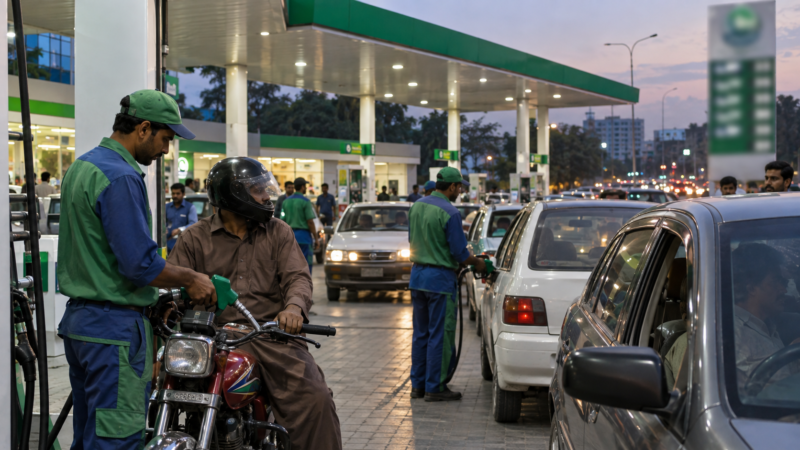
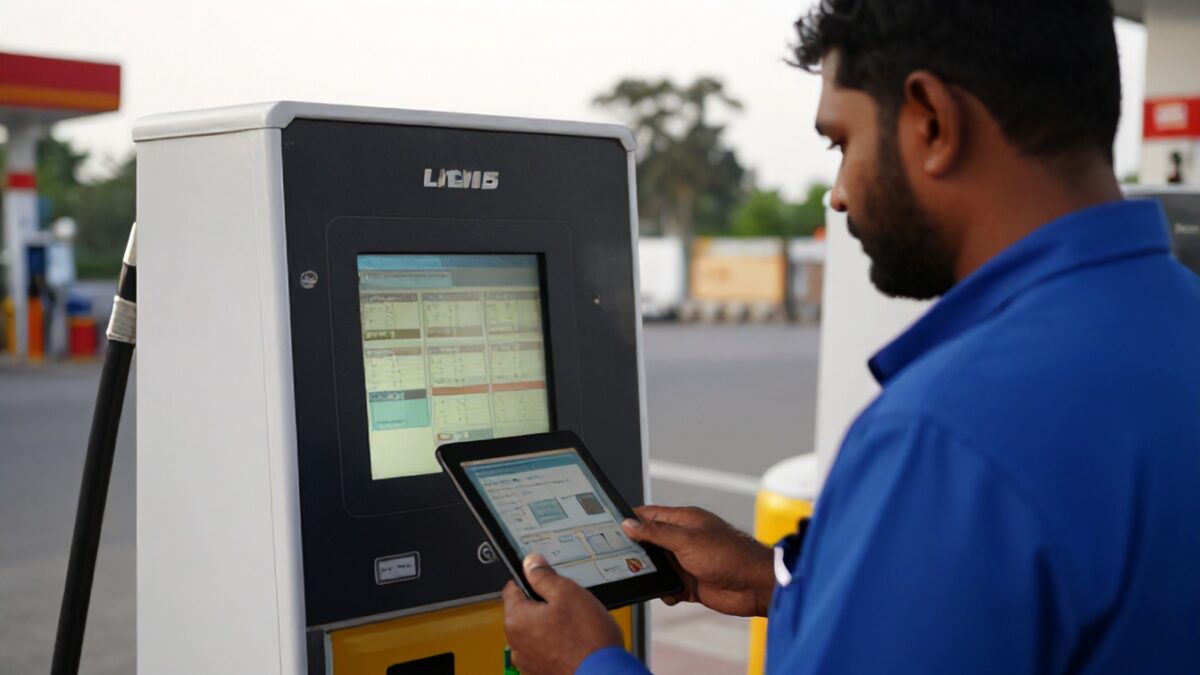
Each phase includes a public‑awareness campaign, training for petrol‑pump operators, and a temporary “grace period” where both the old and new pricing mechanisms run in parallel. The Ministry of Energy has allocated PKR 3 billion for the rollout, covering software licences, hardware upgrades at pumps, and a hotline for consumer complaints.
| Metric | Before reform (2025) | After reform (2026‑27) |
|---|---|---|
| Average monthly subsidy (PKR billion) | ≈150 | ≈70 |
| Beneficiary share of population | ≈100 % | ≈18 % |
| Fiscal deficit (% of GDP) | ≈8.5 % | ≈6.2 % |
| Leakage estimate (percent) | ≈35 % | ≈12 % |
Early signs and challenges
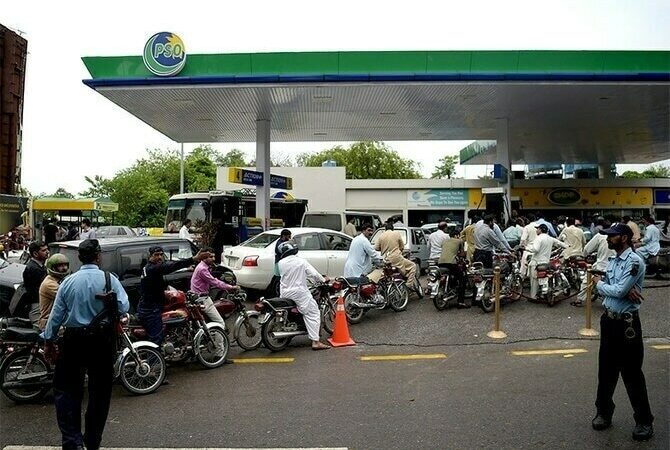
Initial data from the pilot districts suggest that the voucher system is functioning as intended. Fuel stations equipped with the electronic point‑of‑sale (POS) terminals reported a 97 percent success rate in applying the discount. However, small‑scale retailers in rural markets have raised concerns about the cost of upgrading their pumps, prompting the government to offer a PKR 5 million grant per station in the most remote areas.
Another challenge is public perception. Some consumers who previously benefited from the universal subsidy now pay higher pump prices and fear exclusion. To mitigate this, the Ministry has launched a mobile‑app that allows households to check eligibility instantly and submit supporting documents if they believe they have been wrongly excluded.
Quick answers
Who qualifies for the new fuel subsidy?
Households with a per‑capita monthly income below PKR 25 000, as verified through the combined NADRA‑FBR‑poverty‑scorecard database, are eligible for the targeted discount.
How will the discount be applied at the pump?
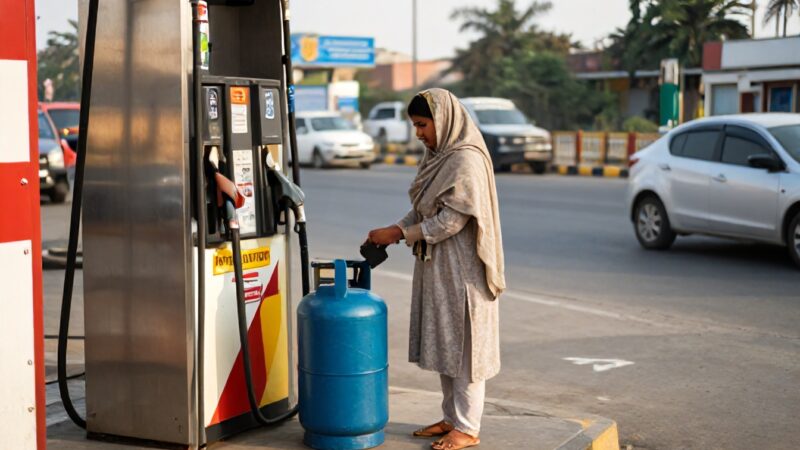
Qualified drivers receive a digital voucher linked to their national ID. When the ID is scanned at a participating pump, the POS system automatically reduces the price by PKR 12 per litre for petrol or PKR 10 per litre for diesel.
When will the programme be available nationwide?
Phase I began in July 2026 for Islamabad, Punjab and Sindh. Phase II is slated for November 2026 covering Khyber Pakhtunkhwa and Balochistan, with full national coverage expected by early 2027.
What safeguards are in place to prevent fraud?
All transactions are logged in real time, and the database uses encrypted identifiers and two‑factor verification. An independent audit team will review the logs quarterly.
Will the subsidy affect fuel prices for non‑eligible consumers?
Non‑eligible consumers will see market‑linked prices, which may be slightly higher than the previous universal price but are expected to stabilise as the fiscal gap narrows.
How is the reform funded?
The government reallocates savings from the reduced subsidy, supplemented by a PKR 3 billion rollout budget and modest external financing from development partners.