PM Hints at Petrol Price Increase This Friday Amid Soaring Crude Oil Prices
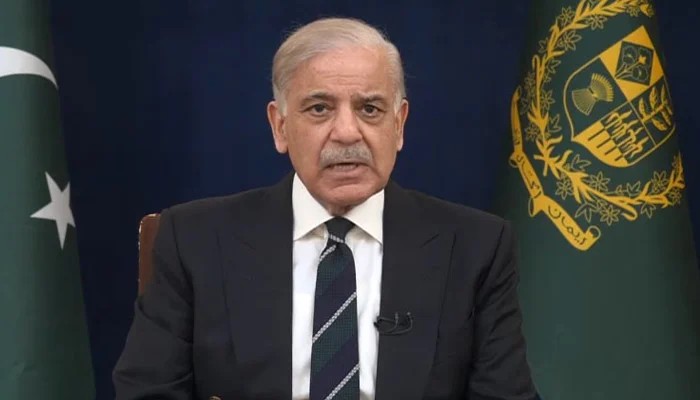
Islamabad — Prime Minister Shehbaz Sharif has hinted at a potential increase in petrol prices in the upcoming fortnightly review scheduled for this Friday, citing the dramatic surge in international crude oil prices as the primary factor behind the anticipated adjustment. The announcement has sparked widespread concern among millions of Pakistanis who are already grappling with the aftermath of significant fuel price hikes witnessed in recent weeks.
The development comes as global oil markets continue to experience significant volatility, with crude prices reaching elevated levels due to various geopolitical and economic factors affecting supply chains worldwide. The government faces a difficult balancing act between providing relief to citizens burdened by high fuel costs and maintaining fiscal discipline amid challenging economic conditions.
Current Petrol and Diesel Prices in Pakistan
Following the recent price revision on April 25, 2026, fuel prices in Pakistan stand at the following levels after the government increased petrol and diesel by Rs. 26.77 per litre:
Current Fuel Prices (Effective April 25, 2026):
| Fuel Type | Current Price (Rs./Litre) | Previous Price (Rs./Litre) | Increase |
|---|---|---|---|
| Petrol (Premier Euro 5) | 393.35 | 366.58 | +26.77 (+7.3%) |
| High Speed Diesel | 380.19 | 353.42 | +26.77 (+7.5%) |
| Light Diesel Oil (LDO) | 159.76 | Variable | Adjusted |
| E-10 Gasoline | 0 | Available | Standard |
The April 25, 2026 price revision marked the second significant adjustment within a short span, following the earlier increase from Rs. 321.17 to Rs. 366.58 per litre. The cumulative effect has pushed petrol prices significantly higher, impacting the daily lives of citizens across the country.
Price History Timeline
To understand the full extent of fuel price increases, here is the timeline of recent price changes:
Recent Price Evolution:
- Before April 3, 2026: Petrol at Rs. 321.17 per litre
- April 3-10, 2026: Emergency increase to Rs. 458.40 (later reduced)
- April 11, 2026: Price reduced to Rs. 366 per litre after government intervention
- April 25, 2026: Current price of Rs. 393.35 per litre after Rs. 26.77 increase
Global Crude Oil Market Situation
The international oil market has been experiencing significant pressure over the past several months, with crude prices climbing due to multiple geopolitical and economic factors. Key contributors to the price surge include:
- Supply Constraints: OPEC+ production cuts have limited global oil supply
- Geopolitical Tensions: Ongoing conflicts in key oil-producing regions have disrupted supply chains
- Demand Recovery: Post-pandemic economic recovery continues to drive higher energy consumption
- Currency Fluctuations: PKR depreciation against USD increases the landed cost of imported oil
- Freight Costs: Rising transportation expenses add to the overall cost of petroleum products
Economic Impact: Pakistan’s fuel import bill has increased substantially due to higher international prices and rupee depreciation. The government faces the challenge of passing on some of this increase to prevent further fiscal strain while trying to minimize the burden on ordinary citizens.
Government’s Position
Prime Minister Shehbaz Sharif, while addressing the nation, acknowledged the difficulties faced by common citizens but emphasized the necessity of making tough decisions to ensure economic stability. He indicated that while the government would strive to minimize the impact on the common man, it cannot entirely shield consumers from the effects of global market dynamics.
The Ministry of Finance and the Oil and Gas Regulatory Authority (OGRA) are continuously monitoring international market trends to make appropriate recommendations for the fortnightly price reviews that determine domestic fuel costs.
Expected Price Changes This Friday
Based on current market analysis and the formula used for fortnightly price revisions, industry experts predict potential adjustments for the upcoming review:
Anticipated Adjustments:
- Petrol: Expected increase of Rs. 5-15 per litre depending on final calculations
- High Speed Diesel: Potential increase of Rs. 5-20 per litre
- Light Diesel Oil: Subject to market conditions
The exact figures will be determined after OGRA completes its assessment of international prices, exchange rate fluctuations, and other relevant factors. Citizens are advised to stay tuned for the official announcement expected this Friday.
Impact on Common Citizens
Any increase in petrol prices has a cascading effect on the overall economy and daily lives of ordinary Pakistanis:
Transportation Costs
Rise in petrol prices directly affects transportation costs, leading to increased fares for public transport, higher costs for goods delivery, and greater expenses for daily commuters who rely on private vehicles.
Food and Essential Items
Higher fuel costs increase the transportation cost of agricultural produce and essential goods, contributing to inflationary pressures. This affects the purchasing power of families across all income brackets.
Agriculture Sector
Diesel price increases significantly impact the agriculture sector, which relies heavily on tractors, tube wells, and other diesel-powered machinery. This translates to higher production costs for farmers.
Industrial Production
Manufacturing industries that depend on fuel for operations and transportation face increased production costs, which may be passed on to consumers in the form of higher prices.
How to Prepare for Potential Price Increase
While waiting for the official announcement, citizens can take several measures to minimize the impact of potential fuel price increases:
- Plan Travel Efficiently: Combine multiple errands into single trips to reduce fuel consumption
- Maintain Proper Tire Pressure: Ensures optimal fuel efficiency and reduces consumption
- Compare Fuel Prices: Use the Pakistan Fuel Prices website to find the cheapest stations in your area
- Consider Public Transport: When possible, use public transportation to reduce personal fuel expenses
- Monitor Price Announcements: Stay updated with the latest fuel price changes through official sources
Official Price Revision Process
In Pakistan, fuel prices are revised on a fortnightly basis according to a transparent mechanism that takes into account:
- Average international prices of petroleum products over the previous two weeks
- Exchange rate fluctuations between the Pakistani Rupee and US Dollar
- Freight costs and transportation expenses
- Terminal handling charges and storage costs
- Government taxes and levies
- Margins for oil marketing companies and dealers
OGRA’s Role: The Oil and Gas Regulatory Authority (OGRA) plays a crucial role in the price revision process by analyzing international market trends and recommending appropriate price adjustments to the federal government. The final decision rests with the Ministry of Finance and the Prime Minister’s Office.
City-Wise Fuel Prices
Fuel prices may vary slightly across different cities due to transportation costs and regional factors. The base prices set by the federal government are:
| Major Cities | Petrol (Rs./Litre) | Diesel (Rs./Litre) |
|---|---|---|
| Islamabad | 393.35 | 380.19 |
| Lahore | 393.35 | 380.19 |
| Karachi | 393.35 | 380.19 |
| Peshawar | 393.35 | 380.19 |
| Quetta | 393.35 | 380.19 |
Frequently Asked Questions (FAQs)
Conclusion
As Pakistan awaits the official announcement on fuel prices this Friday, citizens are advised to prepare for potential adjustments while staying informed about market developments. The government’s challenge lies in balancing economic sustainability with the welfare of ordinary citizens who bear the brunt of global price fluctuations.
For real-time updates on petrol and diesel prices across different cities in Pakistan, continue visiting Pakistan Fuel Prices website. We will provide immediate coverage of the price revision announcement and its impact on various sectors of the economy.
Stay connected for more updates as we bring you the latest information on fuel prices and related developments across Pakistan.