Petition Filed in Federal Constitutional Court to Cap Petrol Prices at Rs. 200 Per Litre
A significant legal challenge has been mounted against the escalating fuel prices in Pakistan as a petition was filed in the Federal Constitutional Court demanding the government cap petrol and diesel prices at Rs. 200 per litre. The petition argues that prices reaching nearly Rs. 400 per litre constitute exploitation of citizens.
Petition Details
Filed: May 1, 2026
Court: Federal Constitutional Court (FCC)
Petitioner’s Request: Cap petrol and diesel prices at Rs. 200 per litre
Current Petrol Price: Rs. 399.86 per litre
Current Diesel Price: Rs. 399.58 per litre
Background of the Petition
Following the latest fuel price increase that took effect on May 1, 2026, a petition has been filed in the Federal Constitutional Court challenging the sharp escalation in petroleum product prices across Pakistan. The petition comes after the federal government increased the price of petrol by Rs. 6.51 per litre and high-speed diesel by Rs. 19.39 per litre in the same review cycle.
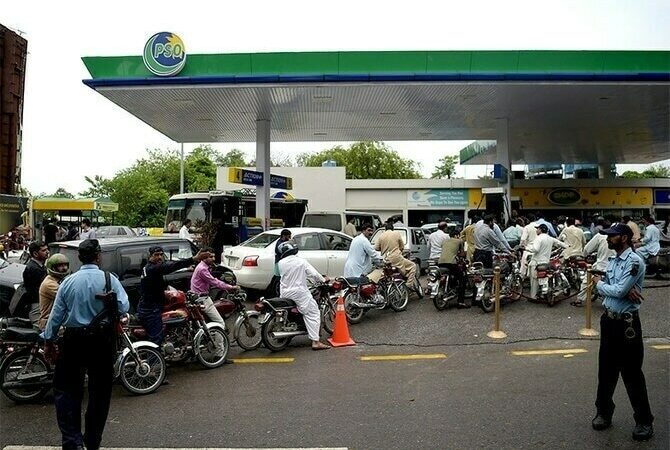
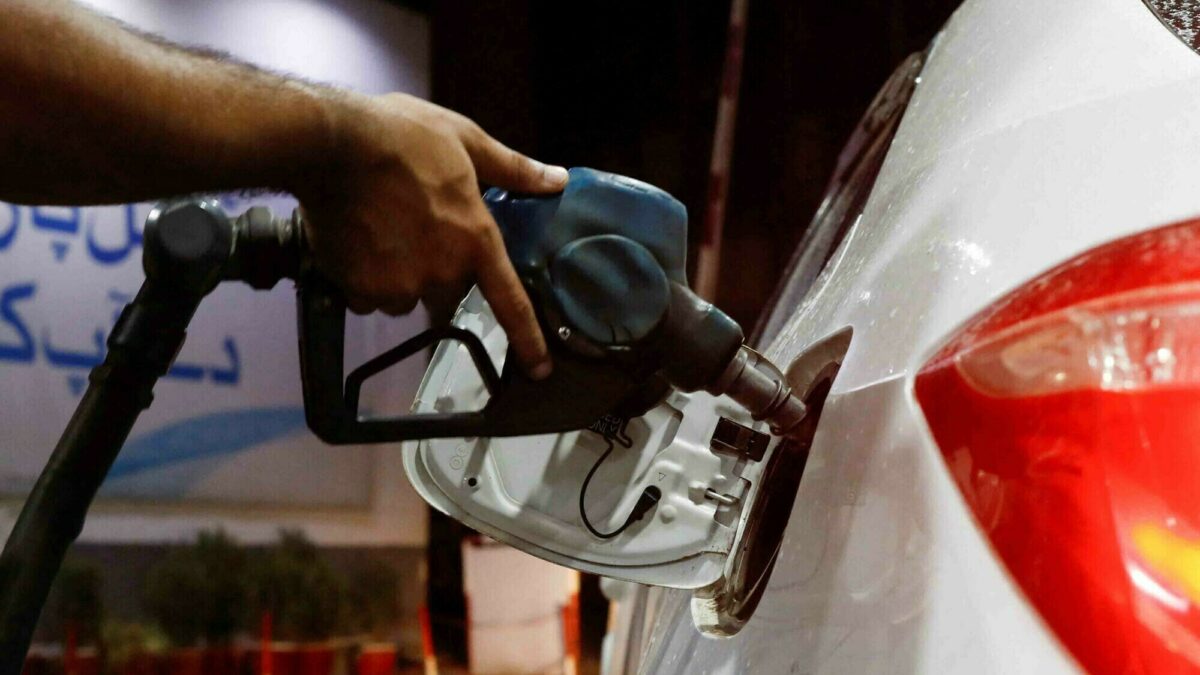
The price hike has pushed petrol prices to unprecedented levels, with the rate now standing at Rs. 399.86 per litre and high-speed diesel at Rs. 399.58 per litre. This nearly Rs. 400 per litre pricing has drawn severe criticism from consumers and legal experts who argue that such prices are unsustainable for ordinary citizens of a developing nation.
The petition represents growing public frustration over the government’s fuel pricing policies, which have seen multiple increases over the past year. Citizens across Pakistan have felt the cascading effects of high fuel prices on transportation costs, food prices, and overall inflation.
Petitioner’s Key Arguments
The petitioner has laid out several compelling arguments challenging the legitimacy of current fuel pricing mechanisms. These arguments form the core legal basis for seeking judicial intervention in what the petitioner describes as exploitative pricing practices.
- Exploitation of Citizens: The petition argues that the petrol and diesel prices reaching nearly Rs. 400 per litre in a poor country constitutes exploitation of citizens under the guise of various geopolitical circumstances, including the US-Iran tensions.
- Price Capping Request: The petitioner has urged the court to direct the government to fix petrol and diesel prices at Rs. 200 per litre, which represents roughly half the current market rate.
- Cheaper Import Options: The petition urges the government to explore cheaper import options for petroleum products to reduce the burden on consumers.
- Inflation Impact: The petitioner warned that the Rs. 26.77 per litre increase in petrol has directly contributed to increased inflation across all sectors of the economy.
- Justification Deficiency: The petition argued that the recent price hike was unjustified and lacked adequate explanation to the public regarding the necessity of such steep increases.
Current Fuel Price Structure
To understand the context of the petition, it is essential to examine the current fuel price structure in Pakistan. The prices have reached levels that have drawn comparisons with some of the highest fuel prices in the region.
Current Petrol Price (per litre)
Current Diesel Price (per litre)
Petitioner’s Suggested Cap
Legal Basis for the Petition
The petition invokes constitutional provisions regarding the welfare of citizens and the state’s responsibility to ensure essential commodities are affordable. By filing in the Federal Constitutional Court, the petitioner has elevated this issue from administrative grievance to a matter of constitutional significance.
Legal experts suggest that if the court accepts the petition, it could lead to a comprehensive review of Pakistan’s fuel pricing mechanism. The court’s decision could potentially force the government to revisit its petroleum policy and consider alternative approaches to fuel price determination.
The petition also references international comparisons, arguing that Pakistani citizens are paying disproportionately high prices for fuel compared to their economic capacity. This comparative analysis forms part of the broader argument that current pricing constitutes an unreasonable burden on the population.
Government’s Defense Options
The federal government, when responding to the petition, will likely point to several factors that influence fuel pricing in Pakistan. These include international crude oil prices, exchange rate fluctuations, freight costs, and various government taxes and levies that form part of the retail price.
Official sources have consistently maintained that fuel prices in Pakistan are linked to international market rates and that the government has limited flexibility in setting domestic prices. The government may argue that any artificial price capping would lead to significant revenue shortfalls and potentially require alternative subsidy mechanisms.
Additionally, the government has previously cited fiscal constraints, including IMF program requirements, as limiting its ability to reduce fuel prices through tax cuts or subsidies. These macroeconomic considerations form part of the complex backdrop against which the petition will be adjudicated.
Impact on Consumers and Economy
The petition highlights the severe impact of high fuel prices on ordinary Pakistanis. As fuel is a fundamental input for transportation and logistics, higher petrol and diesel prices create a cascading effect throughout the economy, driving up the costs of goods and services.
For daily commuters relying on private vehicles, the current petrol prices mean significantly higher monthly expenses. Public transport operators have been forced to increase fares to cope with rising fuel costs, directly affecting millions of Pakistanis who depend on buses, rickshaws, and taxis.
The transportation of goods has become more expensive, leading to increased prices for essential commodities including food items. This inflationary pressure particularly affects low-income households that spend a disproportionate share of their income on food and transportation.
Historical Context of Fuel Price Increases
The current petition is set against a backdrop of repeated fuel price increases over the past several months. Each increase has incrementally pushed petrol prices toward the Rs. 400 per litre mark, a psychological threshold that has drawn significant public attention.
For a comprehensive understanding of how fuel pricing has evolved, readers can refer to the Pakistan Petrol Price History which documents the historical trajectory of petrol prices in the country.
The complete breakdown of petrol taxes also provides valuable insight into how various government levies and duties contribute to the final retail price paid by consumers.
Court Proceedings and Next Steps
Once the Federal Constitutional Court admits the petition, it will typically issue notices to the federal government and other relevant parties to submit their responses. The court may then schedule hearings where both sides can present their arguments.
Depending on the court’s preliminary assessment, it may choose to issue an interim order maintaining status quo on fuel prices until the main petition is decided. Such interim relief, if granted, could provide temporary respite to consumers while the legal proceedings continue.
Legal experts estimate that constitutional petitions of this nature typically undergo extensive hearings and may take several months before a final verdict is delivered. However, the mere filing of such a petition puts significant pressure on the government to justify its pricing policies.
Public Response and Support
The petition has garnered significant public attention and support across social media platforms. Many citizens have expressed solidarity with the legal challenge, sharing their personal experiences of struggling with high fuel costs.
Consumer rights activists have called for a broader movement to demand affordable fuel prices, suggesting that the petition should be seen as part of a larger struggle against cost-of-living increases. Various civil society organizations have announced their intention to file supporting affidavits in the case.
The petition has also resonated with businesses that have seen their operational costs rise sharply due to fuel price increases. Transport operators, delivery services, and manufacturing companies have all felt the impact, with many expressing hope that judicial intervention might lead to more reasonable pricing.
Expert Analysis on Legal Merits
Constitutional law experts have offered mixed assessments of the petition’s chances of success. Some argue that the court has sufficient grounds to intervene given the fundamental impact of fuel prices on citizens’ right to life under Article 9 of the Constitution.
Others caution that the court may be reluctant to dictate specific price levels, as this could be seen as judicial overreach into executive domain. The more likely outcome, these experts suggest, might be a court directive for greater transparency in fuel pricing or a direction for the government to establish a more rational pricing mechanism.
Regardless of the final outcome, the petition has succeeded in bringing fuel pricing into the constitutional discourse. This legal challenge may well become a landmark case in Pakistan’s jurisprudence regarding economic rights of citizens.
Related Developments
This is not the first legal challenge to fuel price increases in recent times. Prior to this Federal Constitutional Court petition, a similar petition was filed in the Lahore High Court challenging the Rs. 26.77 per litre increase in petrol that took effect in April 2026.
The Judicial Activism Panel, which filed the Lahore High Court petition, contended that petroleum prices were raised without adequate justification and that such increases directly violate citizens’ rights. That petition also highlighted the connection between fuel prices and broader inflation concerns.
For readers interested in the latest fuel price updates and analysis, the OGRA fuel prices May 2026 latest rates provides current information on all petroleum products.
The detailed analysis of the Rs. 6.51 petrol hike also offers comprehensive coverage of the price increase that triggered the current petition.
What This Means for Consumers
While the court proceedings unfold, ordinary consumers continue to face the burden of high fuel prices at the pump. The petition offers hope for potential relief, but consumers should be prepared for a lengthy legal process before any judicial intervention materializes.
In the meantime, consumers may consider exploring fuel efficiency strategies. The complete guide to fuel efficient cars in Pakistan offers recommendations for vehicles that can help reduce fuel expenses.
Comparing prices across different fuel brands can also help consumers make informed choices. Our guides for Shell petrol prices and PSO petrol prices provide brand-specific pricing information.
The Federal Constitutional Court petition represents a significant milestone in Pakistan’s ongoing debate about fuel pricing. Whether or not the court grants the relief requested, this legal challenge has highlighted the urgent need for a more sustainable and equitable approach to petroleum pricing in the country.
Citizens are advised to monitor developments in this case and stay informed about any court orders that may affect fuel prices. Our platform will continue to provide updates as the legal proceedings progress.