Government Increases Inland Freight Equalization Margin (IFEM) on Petrol and Diesel
The government has increased the Inland Freight Equalization Margin (IFEM) by Rs30.21 per litre on high-speed diesel and by Rs3.15 per litre on petrol. This adjustment impacts transportation costs and fuel pricing across Pakistan.
IFEM on Diesel
+Rs. 30.21/L
IFEM on Petrol
+Rs. 3.15/L
Understanding IFEM
The Inland Freight Equalization Margin (IFEM) is a component of fuel pricing that accounts for transportation costs involved in moving petroleum products from refineries to various parts of the country. This mechanism ensures that fuel prices remain relatively uniform across different regions of Pakistan, regardless of the distance from supply points.
The adjustment of IFEM directly impacts the final retail price of petrol and diesel in different provinces. When IFEM increases, it typically reflects the rising cost of transporting fuel to distant areas, which then gets passed on to consumers at the pump.
What is IFEM?
The Inland Freight Equalization Margin is a government-regulated component added to the base price of petroleum products. It compensates oil marketing companies for the logistical costs of transporting fuel across Pakistan’s diverse terrain, from coastal refineries to mountainous northern regions and landlocked southwestern provinces.
Impact on Diesel Prices
The significant increase of Rs30.21 per litre on high-speed diesel through the IFEM adjustment has substantial implications for the transportation and agricultural sectors. Diesel is the primary fuel for commercial vehicles, agricultural machinery, and industrial generators, making this adjustment particularly impactful for diesel consumers in major cities.
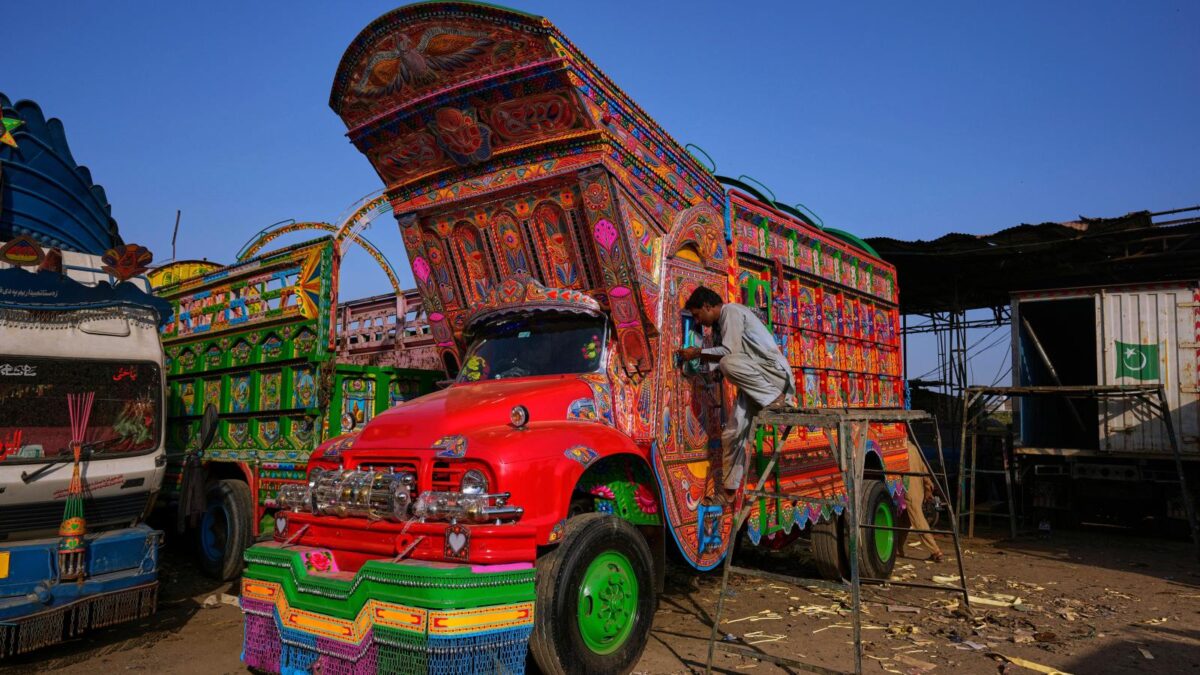
Commercial trucking operations, which form the backbone of Pakistan’s freight industry, will face increased operational costs that may translate into higher prices for transported goods. The agricultural sector, heavily dependent on diesel-powered irrigation pumps and tractors, will also experience margin pressures from this adjustment.
Impact on Petrol Prices
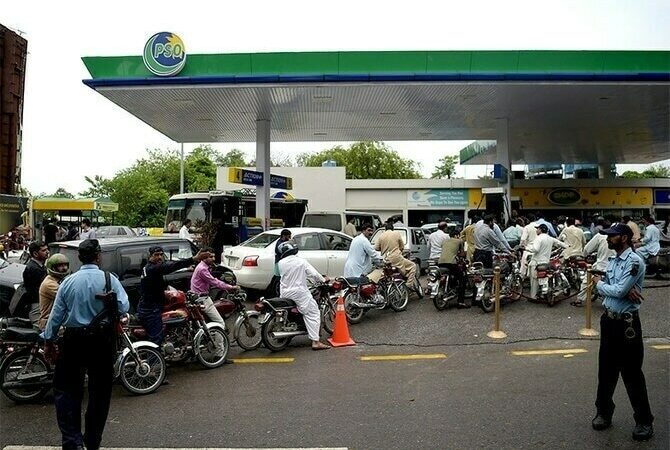
The Rs3.15 per litre increase in IFEM for petrol represents a more moderate adjustment compared to diesel. This impacts private vehicle owners and smaller commercial operations that rely on petrol fuel. While the increase is smaller in magnitude, it still contributes to the overall fuel cost burden carried by consumers.
For petrol consumers in urban centers, this adjustment adds to the cumulative cost of running personal vehicles, affecting household transportation budgets and commuting expenses.
Regional Price Variations
The IFEM adjustment affects different regions differently based on their distance from refineries and import points. Areas farther from major oil refineries and ports typically see higher transportation costs factored into their final fuel prices.
Northern regions of Pakistan, including areas around Peshawar and Islamabad, often experience different price points due to varying freight costs. Similarly, southwestern provinces like Balochistan have historically seen price differences stemming from longer transportation routes.
Connection to Broader Fuel Pricing
The IFEM adjustment does not occur in isolation but is part of the overall fuel pricing mechanism that includes base prices, taxes, and margins. Consumers should be aware that even when international oil prices decline, adjustments like IFEM increases can offset potential relief at the pump.
The government maintains the petroleum levy at specific levels while adjusting various cost components to balance revenue requirements with consumer affordability. This balancing act means that individual price components can move in different directions even within the same pricing cycle.
Components of Fuel Price in Pakistan:
- Ex-Refinery Price: Base cost from refineries
- Marketing Margin: Oil company operational costs
- Inland Freight Equalization Margin: Transportation cost equalization
- Petroleum Levy: Government tax component
- Sales Tax: General consumption tax
Effects on Freight and Logistics
The freight and logistics sector, which is already grappling with rising operational costs, faces additional pressure from the diesel IFEM increase. Truck operators and transport companies may need to adjust their pricing structures to maintain viability, potentially leading to higher freight charges that filter through to consumer goods prices.
This development is particularly significant given the already challenging operating environment for Pakistan’s freight industry, which has been dealing with road infrastructure issues, security concerns, and fuel price volatility.
How to Stay Updated
Citizens can track current fuel prices and understand the various components affecting petrol and diesel costs by visiting PakistanPetrolPrices.com. Our platform provides regular updates on official fuel rates across all major cities and explains the factors that contribute to price changes.
For the latest information on petrol prices in Karachi, Multan, Faisalabad, and other cities, bookmark our fuel price pages for quick reference.
Looking Ahead
Energy market analysts will be monitoring how the IFEM adjustment influences overall fuel consumption patterns and transportation costs in the coming weeks. The government may review these margins periodically based on actual transportation costs and fuel distribution efficiency.
Consumers are advised to factor these adjustments into their transportation budgets and consider fuel efficiency measures to manage rising costs. Using our Fuel Cost Calculator can help estimate monthly fuel expenses based on current pricing.