When Will Petrol Prices Go Down in Pakistan? Strait of Hormuz Reopened – Full Analysis
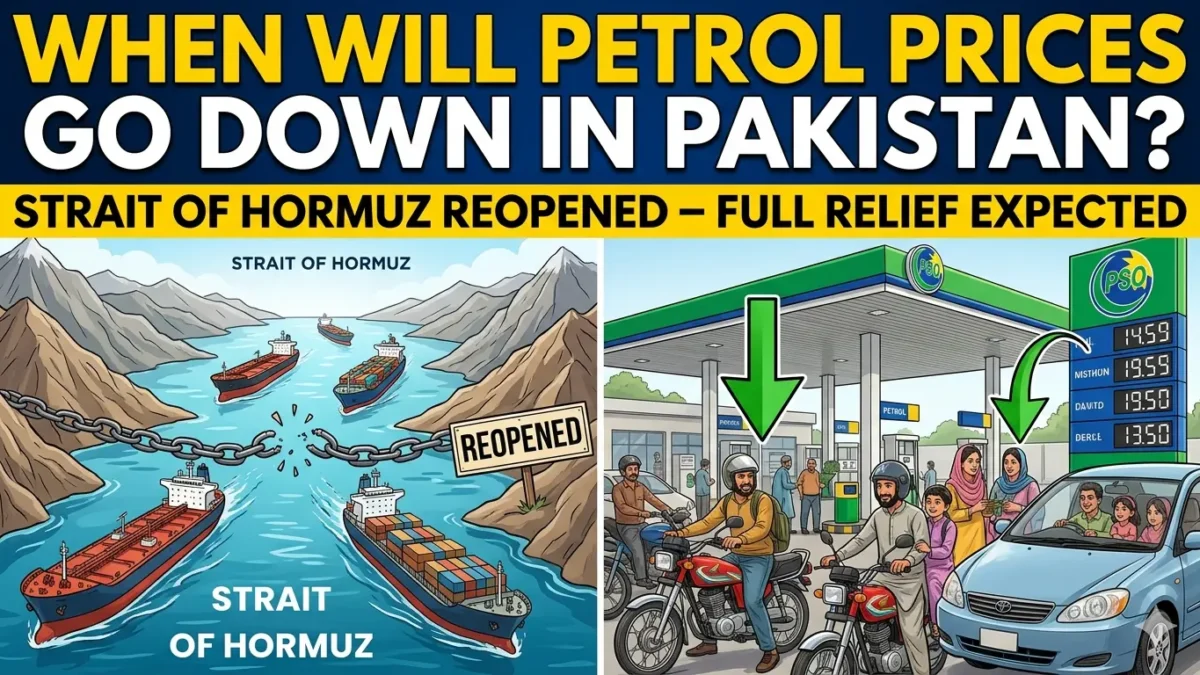
Pakistanis can finally breathe a sigh of relief as the Strait of Hormuz has officially reopened following the historic US-Iran ceasefire brokered by Pakistan. After weeks of record fuel price hikes driven by the Middle East crisis, global oil prices have crashed by 15%, raising hopes for significant petrol price reductions in Pakistan. This comprehensive guide covers when you can expect petrol prices to drop and how the Hormuz development affects your fuel costs.
Strait of Hormuz Reopened – What It Means for Pakistan
The Strait of Hormuz, through which approximately 20% of the world’s oil flows, was effectively closed for over a month due to the Iran-US conflict. Pakistan played a crucial diplomatic role in brokering the ceasefire between the two nations, which has led to the reopening of this critical shipping route. As a result, Brent crude prices have dropped to $94 per barrel from highs above $200, signaling major relief for fuel-importing nations like Pakistan.
Expected Petrol Price Reduction in Pakistan
Industry experts and market analysts are predicting a significant petrol price cut in the upcoming review period. Sources indicate that Pakistan could see petrol prices decrease by anywhere between Rs. 30 to Rs. 60 per litre as global crude prices normalize following the Hormuz reopening.
Current Petrol Price vs Expected Reduction
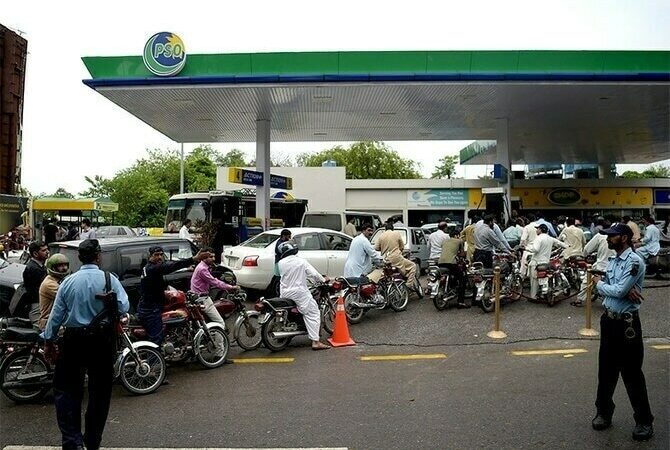
As of the latest update, petrol prices in Pakistan stand at Rs. 366.85 per litre, which was hiked during the peak of the global oil crisis. With the Strait of Hormuz now operational and oil supplies normalizing, this rate is expected to come down substantially.
| Fuel Type | Current Price (Rs/Ltr) | Expected Reduction | New Expected Price |
|---|---|---|---|
| Petrol (Super) | 366.57 | Rs. 30-60 | Rs. 306 – Rs. 310 |
| High-Speed Diesel | 385.54 | Rs. 20-40 | Rs. 345 – Rs. 365 |
| Diesel (Previous) | 520.35 | Rs. 40-80 | Rs. 440 – Rs. 480 |
Timeline for Price Reduction
The government typically revises fuel prices on the 1st and 15th of each month. With the Hormuz situation stabilizing, the next fuel price review scheduled for May 1, 2026, is expected to bring significant relief to Pakistani consumers. However, several factors will influence the exact reduction amount.
Key Factors Affecting Petrol Price Drop
- Brent Crude Price: Currently trading at $84, down from $200+ during peak crisis
- Exchange Rate: PKR stability against USD affects final prices
- Petroleum Levy: Government may maintain some duties to meet revenue targets
- Global Supply Chain: Normalization of tanker traffic through Hormuz
- IMF Agreement: Tax collection targets may affect subsidy decisions
How Pakistan Brokered the Ceasefire
Pakistan’s diplomatic efforts played a crucial role in ending the Hormuz crisis. After weeks of escalating tensions that pushed oil prices to historic highs, Pakistani officials facilitated negotiations between the US and Iran that led to the historic ceasefire agreement. This diplomatic breakthrough has not only stabilized global oil markets but also positioned Pakistan to benefit from significantly lower fuel import costs.
Impact on Different Sectors in Pakistan
Transport and Commuters
For daily commuters and transport operators, a Rs. 30-60 reduction in petrol prices would translate to substantial monthly savings. A car owner consuming 100 litres monthly could save between Rs. 3,000 to Rs. 6,000 per month on fuel costs alone.
Agriculture and Industry
The agricultural sector, which heavily relies on diesel for tractors and irrigation pumps, would benefit from lower diesel prices. Similarly, manufacturing and logistics industries would see reduced operational costs, potentially leading to lower consumer prices.
Food and Essential Goods
Lower fuel costs would reduce transportation expenses for food and essential goods, helping to bring down overall inflation in the country. This is particularly important for everyday essentials that have seen price hikes due to increased transportation costs during the oil crisis.
Comparison with Previous Fuel Price Hikes
During the peak of the Hormuz crisis, Pakistan witnessed record fuel price increases of over 50%. The reopening of the strait marks a complete reversal, with global markets now expecting sustained lower prices in the coming months.
| Period | Event | Petrol Price Change |
|---|---|---|
| March 2026 | Strait of Hormuz Closed | +54% Increase |
| Early April 2026 | Peak Crisis | Rs. 458.40/Ltr |
| April 17, 2026 | Ceasefire & Reopening | Stabilization |
| May 2026 (Expected) | Price Revision | Rs. 30-60 Drop |
How to Prepare for the Price Drop
Recommendations for Pakistani Consumers
- Wait for the May 1 Revision: The next price review will likely bring the first significant reduction
- Monitor Global Markets: Keep track of Brent crude prices for real-time updates
- Use Fuel Cost Calculator: Calculate your potential savings using our fuel cost calculator
- Compare Prices: Check prices across different fuel stations for the best deals
- Stay Informed: Follow FBR announcements for official price updates
Expert Predictions for Pakistan Fuel Prices
Industry experts suggest that if global oil prices remain stable at current levels (around $94 per barrel), Pakistan could see petrol prices drop to the Rs. 380-400 range by mid-2026. However, this depends on several geopolitical and economic factors that remain fluid.
Long-Term Outlook
Looking ahead, J.P. Morgan Research indicates that Brent crude could average around $60 per barrel by the end of 2026, which would translate to petrol prices below Rs. 350 per litre in Pakistan. This would be a significant relief compared to the record highs seen during the Hormuz crisis.
Related Information
For comprehensive coverage of fuel prices in Pakistan, explore these related articles:
- Complete Diesel Price Guide for Pakistan
- Today’s Petrol Rate in Pakistan
- Pakistan Petrol Price History and Analysis
- Pakistan Fuel Cost Calculator
- Shell Petrol Price in Pakistan Today
Final Takeaway
The reopening of the Strait of Hormuz marks a turning point for Pakistan’s fuel market. With global oil prices crashing and diplomatic efforts bearing fruit, Pakistani consumers can expect significant petrol price relief in the coming weeks. While the exact reduction amount will depend on various factors, experts predict savings of Rs. 30 to Rs. 60 per litre.
Stay tuned to PakistanPetrolPrices.com for the latest updates on fuel price revisions and comprehensive coverage of how global oil markets affect your daily fuel costs.