How to Save Petrol: 15 Proven Tips to Reduce Your Fuel Consumption in Pakistan
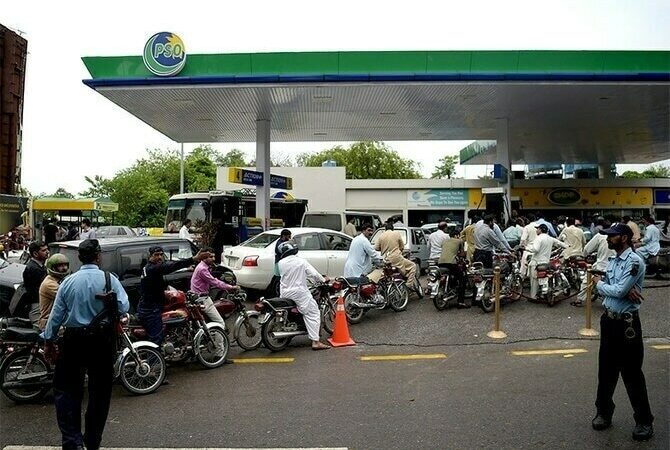
With petrol prices hovering around Rs. 378 per litre as of April 2026, Pakistani drivers are feeling the squeeze on their wallets. Whether you commute daily to work in Lahore, Karachi, or Islamabad, every litre saved translates to significant monthly savings. Here’s your comprehensive guide to maximising fuel efficiency.
Understanding Your Fuel Consumption
Before diving into tips, it’s essential to understand what affects your car’s fuel consumption. On average, Pakistani vehicles consume between 8-15 litres per 100 kilometres depending on engine size, condition, and driving habits. Using our Pakistan Fuel Cost Calculator can help you track exactly how much you’re spending.
Quick Fact
Reducing your fuel consumption by just 2 km/L can save you approximately Rs. 4,000-6,000 per month depending on your usage.
1. Maintain Optimal Tyre Pressure
Under-inflated tyres create more rolling resistance, forcing your engine to work harder and burn more fuel. Check tyre pressure monthly and ensure they match the manufacturer’s recommended levels (usually 30-35 PSI for most passenger vehicles in Pakistan).
2. Keep Your Engine Tuned
A poorly tuned engine can reduce fuel efficiency by up to 20%. Regular maintenance including air filter replacement, spark plug checks, and engine tune-ups ensures optimal combustion and fuel efficiency.
3. Drive at Consistent Speeds
Constant acceleration and braking wastes fuel. On Pakistan’s highways, maintaining 80-100 km/h provides the best balance between speed and economy. Use cruise control when available on highways connecting major cities.
4. Minimise Air Conditioning Usage
AC compressors can increase fuel consumption by 10-15%. Use recirculation mode, park in shade, and use sun visors to keep your car cooler naturally.
5. Remove Unnecessary Weight
Every 50 kg of unnecessary weight increases fuel consumption by approximately 2%. Clear your boot of items you don’t need. Many Pakistani families use their cars as storage—make it a habit to remove non-essential items.
6. Plan Your Routes Wisely
Combine multiple errands into one trip rather than making several short trips. Cold starts consume significantly more fuel than a warmed-up engine. Check our city fuel pages for latest prices before planning longer trips.
7. Use Higher Gears Appropriately
Driving in higher gears at lower RPMs saves fuel. Shift gears before your engine revs too high—aim to shift up by 2,000-2,500 RPM for petrol engines.
8. Coast When Possible
When approaching red lights or traffic, release the accelerator early and let the car coast. This uses the car’s momentum rather than burning fuel.
9. Avoid Excessive Idling
Idling for just 10 minutes consumes approximately 0.3-0.5 litres of fuel. If you’ll be stationary for more than a minute, switch off the engine.
10. Keep Windows Closed at High Speeds
While open windows are fine at low speeds, highway driving with windows open increases drag significantly. At speeds above 80 km/h, air conditioning with windows closed is more fuel-efficient.
Estimated Monthly Savings
Important Note
Fuel prices vary by city. Always check the latest petrol prices in Lahore, Karachi, and Islamabad before long trips.
11. Regular Oil Changes
Using the manufacturer-recommended oil grade can improve fuel efficiency by 1-2%. Old, dirty oil increases engine friction and fuel consumption. In Pakistan’s dusty conditions, consider changing oil every 5,000-6,000 km rather than the standard 10,000 km.
12. Check for Drag
Roof racks, bike carriers, and damaged underbody panels all create aerodynamic drag. Remove roof racks when not in use—they can reduce fuel economy by up to 25% at highway speeds.
13. Use Quality Fuel
Using higher-quality fuel from reputable pumps can save money by preventing engine deposits that reduce efficiency. Our city-wise fuel prices help you compare rates across Pakistan.
14. Monitor Your Driving Pattern
Aggressive driving (rapid acceleration, hard braking) can reduce fuel economy by 30% in city driving. Practice anticipating traffic flow to brake and accelerate smoothly.
15. Consider Fuel-Efficient Alternatives
If you’re in the market for a new vehicle, consider models with better fuel efficiency ratings. CNG-powered vehicles offer significant savings—check CNG prices for comparison when available.
Why Fuel Prices Matter More Than Ever
Understanding why petrol prices in Pakistan spiked helps put these savings into perspective. With prices remaining volatile, the most effective strategy is to reduce consumption wherever possible.
Final Thoughts
With petrol prices continuing to fluctuate, implementing these tips can make a substantial difference to your monthly budget. Start with the easiest changes— tyre pressure and weight removal—and gradually adopt the others. Track your fuel consumption using our fuel cost calculator to measure your savings.
Remember, the most effective way to save fuel is to drive less. Consider carpooling, public transport, or combining errands to minimise unnecessary trips. Every litre saved is money in your pocket.