Petrol
Petrol Price in Pakistan Today — April 3, 2026 | Rs. 458.41 Per Litre
The petrol price in Pakistan today, April 3, 2026, has been raised to Rs. 458.41 per litre — an increase of Rs. 137.24 per litre from the previous rate of Rs. 321.17. This is the largest single petrol price hike in Pakistan’s history, driven by the ongoing global fuel crisis triggered by the US-Israel war on Iran and the disruption of the Strait of Hormuz. The new prices are effective from April 4, 2026 (Friday).
🚨 Official Notification — April 3, 2026
Petroleum Minister Ali Pervaiz Malik and Finance Minister Muhammad Aurangzeb announced the new prices at a joint press conference. Petrol: Rs. 458.41/L (▲ +Rs. 137.24) | Diesel: Rs. 520.35/L (▲ +Rs. 184.49) | Kerosene: Rs. 467.48/L (▲ +Rs. 34.08). A targeted subsidy of Rs. 100/L is available to motorcyclists for up to 20 litres per fill.
Petrol Price Today — April 3, 2026
All Pakistan
458.41
PKR / litre
Was Rs. 321.17
Increase
+137.24
per litre
+42.7% hike
Motorcyclists
358.41
PKR / litre
Subsidy: -Rs.100
📌 Source: OGRA Official Notification, April 3, 2026. Effective from Friday, April 4, 2026. Petrol (MS-92) price is uniform nationwide across all OMCs — PSO, Shell, Total Parco, Attock, Hascol, GO.
April 2026 Fuel Prices — All Products
| Fuel Type | New Price (April 3) | Old Price | Change |
|---|---|---|---|
| Petrol (MS-92) | Rs. 458.41/L | Rs. 321.17/L | ▲ +Rs. 137.24 |
| Diesel (HSD) | Rs. 520.35/L | Rs. 335.86/L | ▲ +Rs. 184.49 |
| Kerosene (SKO) | Rs. 467.48/L | Rs. 433.40/L | ▲ +Rs. 34.08 |
| Light Diesel (LDO) | Rs. ~395/L | Rs. 159.76/L | ▲ Revised |
| Hi-Octane (HOBC) | ~Rs. 670+/L | Rs. 535/L | ▲ Rising |
Why Did Petrol Price Jump So Much?
The Rs. 137.24/L increase — a 43% single-day rise — is driven by a perfect storm of global and domestic factors:
- Strait of Hormuz disruption — Iran’s response to US-Israeli strikes (starting Feb 28) effectively blocked a key oil shipping lane, causing global crude to cross $250/barrel in Dubai/Oman markets — Pakistan’s primary procurement source
- Pakistan’s import dependency — The country procures approximately 80% of its energy from Dubai and Oman markets, making it directly exposed to the price surge
- IMF obligations — Pakistan is bound by international agreements requiring domestic prices to reflect market reality, limiting the government’s room to absorb costs
- Rs. 129 billion absorbed since March 1 — The government had already spent Rs. 129 billion shielding consumers; further subsidy was deemed unsustainable
- Petroleum levy raised to Rs. 161/L — PM Shehbaz approved a historic increase in the petroleum levy on petrol from Rs. 106 to Rs. 161/L as part of fiscal measures
Motorcyclist Subsidy — Rs. 100 Off Per Litre
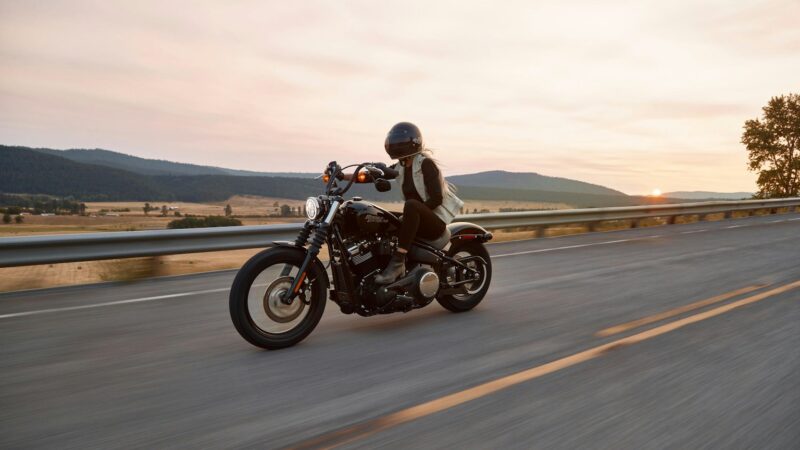
🏍️ Good news for bikers: Finance Minister Aurangzeb announced that motorcycle users will receive a targeted subsidy of Rs. 100 per litre, bringing their effective petrol price to Rs. 358.41/L for up to 20 litres per fill. The mechanism for delivery (biometric/CNIC-based) is being finalised. This replaces the earlier blanket subsidy approach with targeted relief.
Impact on Daily Life
- Rickshaws & taxis — Fare increases expected across all cities as transport operators adjust to higher fuel costs
- Food prices — Distribution and logistics costs will push grocery and food prices higher within days
- Inflation — Economists warn the hike will add 3–5 percentage points to monthly inflation in April
- Agriculture — Diesel-powered irrigation and tractors will face cost pressure; food production costs rise
- Industry — Factories and manufacturers using fuel-dependent machinery face higher operating costs
⚠️ Cumulative impact in March–April 2026: Petrol has risen by a total of Rs. 192.24/L (+72%) in under 30 days — from Rs. 266.17 on March 1 to Rs. 458.41 on April 3. This is the steepest monthly fuel shock in Pakistan’s history.
Frequently Asked Questions
What is the petrol price in Pakistan today April 3, 2026? ▼
Rs. 458.41 per litre, effective April 4, 2026. This is an increase of Rs. 137.24/L from the previous rate of Rs. 321.17/L — a 43% rise in one notification.
When does the new petrol price take effect? ▼
The new prices were announced on April 3, 2026 (Thursday) and take effect from Friday, April 4, 2026 at midnight.
Is there any subsidy on petrol for motorcyclists? ▼
Yes. Finance Minister Aurangzeb announced a Rs. 100/L subsidy for motorcycle users for up to 20 litres per fill, bringing their effective price to Rs. 358.41/L. The delivery mechanism (CNIC/biometric-based) is being finalised.
Will petrol prices go down soon? ▼
It depends on global crude prices and the Strait of Hormuz situation. If the Middle East conflict de-escalates and oil supply routes normalise, some relief is possible at the next OGRA revision (~April 15–16). However, analysts caution that a quick reversal is unlikely given IMF obligations and fiscal constraints.