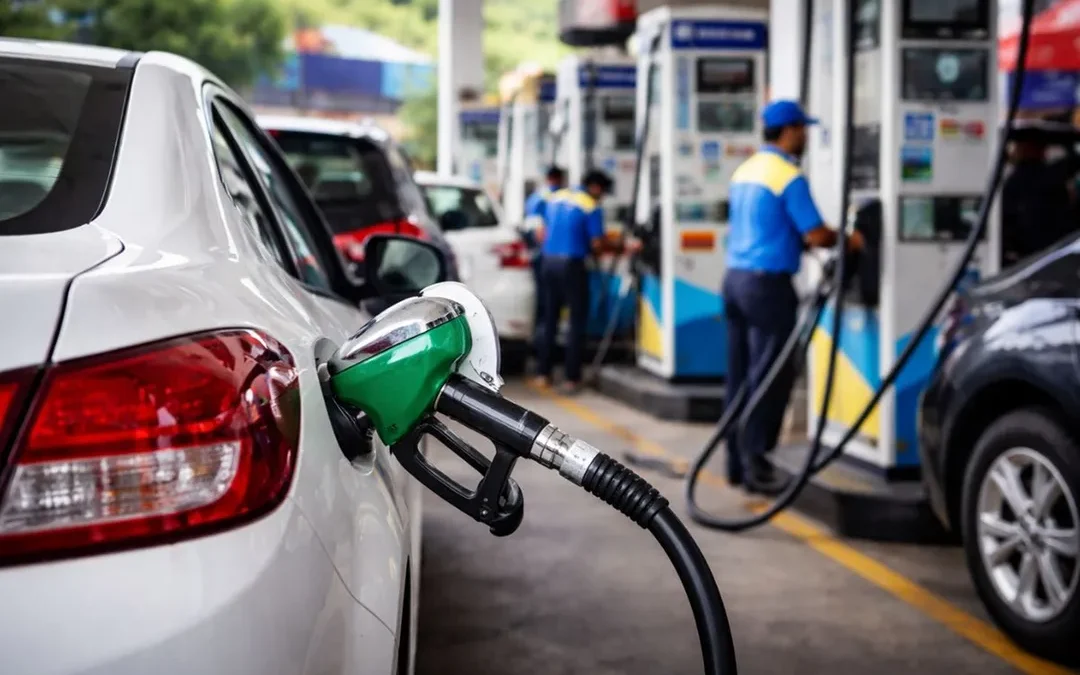
Petrol Price in Pakistan Today — June 2026
The official OGRA-notified petrol rate in Pakistan today is Rs. 377.81 per litre (MS-92), effective June 6, 2026 — a reduction of Rs. 4.00 from the previous fortnight. Diesel (HSD) stands at Rs. 380.78/L, down Rs. 22.00. Here is the complete breakdown: current rates, price history, how the government sets prices, and what every Pakistani driver needs to know.
Current Petrol & Diesel Rates — June 2026
The Oil and Gas Regulatory Authority (OGRA) notified revised fuel prices effective June 6, 2026. These are uniform, nationally applicable rates — every petrol pump across Pakistan from Karachi to Gilgit is legally required to sell at these prices. There is no city-specific premium or regional variation in the official OGRA rate.
| Fuel Type | Rate (Rs./L) | Previous Rate | Change | Effective Date |
|---|---|---|---|---|
| Petrol MS-92 | 377.81 | 381.81 | ▼ 4.00 | June 6, 2026 |
| Diesel HSD | 380.78 | 402.78 | ▼ 22.00 | June 6, 2026 |
| Kerosene Oil | 450.15 | 467.48 | ▼ 17.33 | June 6, 2026 |
| Light Diesel (LDO) | 369.72 | 395.42 | ▼ 25.70 | June 6, 2026 |
Pakistan also produces a small volume of locally refined petrol at the Pakistan Refinery Limited (PRL) and PARCO refineries. However, the majority of petroleum products are imported and priced in US dollars at international rates, making global crude benchmarks and the USD/PKR exchange rate the two most critical variables in every OGRA revision.
How OGRA Sets Petrol Prices in Pakistan
Pakistan’s fuel pricing mechanism operates under the Oil and Gas Regulatory Authority Ordinance 2002. OGRA performs a calculation every fortnight — typically effective on the 1st and 16th of each month — using a cost-plus formula. The result is presented to the Prime Minister’s office as a recommended retail price. The PM then approves, modifies, or rejects the recommendation based on wider economic and political considerations.
The formula is transparent in structure, even if the precise input values change with every revision. Understanding it helps you anticipate when prices are likely to rise or fall — and by how much.
The Six Components of Pakistan’s Petrol Price
| Component | What It Covers | Approx. Share |
|---|---|---|
| Ex-refinery price | International crude cost (Arab Gulf benchmark), converted at USD/PKR daily rate, plus refinery margin | ~45–55% |
| IFEM (Inland Freight) | Transportation cost from port or refinery to retail pumps nationwide | ~2–3% |
| OMC Margin | Oil Marketing Company margin (PSO, Shell, Caltex, etc.) | ~Rs. 7–9/L |
| Dealer Commission | Petrol pump owner margin, set by OGRA | ~Rs. 7.50/L |
| Petroleum Levy | Fixed government tax per litre, primary revenue instrument for FBR under IMF targets | ~Rs. 60–80/L |
| Sales Tax / GST | Applied as percentage; suspended on petrol since 2022 IMF agreement | 0% (as of 2026) |
For a complete, step-by-step breakdown of the OGRA calculation, refer to our detailed guide: How Is Petrol Price Calculated in Pakistan? — OGRA’s Formula Explained.
What Is Inside the Rs. 377.81 Petrol Price
When you pay Rs. 377.81 at the petrol pump in June 2026, this is the approximate breakdown of where each rupee goes:
The petroleum levy — currently around Rs. 78 per litre on petrol — is the single largest controllable variable in Pakistan’s fuel price. Unlike crude costs and exchange rates, which the government cannot influence directly, the levy is a pure policy decision. It has been used both as a revenue tool (raised under IMF fiscal conditions) and as a relief instrument (cut dramatically on April 11, 2026 when PM Shehbaz reduced it by Rs. 80 following the unprecedented April 3 hike). Understanding this dynamic is key to reading future price movements.
Petrol Price History — 2020 to 2026
The trajectory of petrol prices since 2020 is one of the most dramatic in Pakistan’s economic history. In six years, the price moved from a pandemic low of Rs. 74.52 per litre to a wartime high of Rs. 458.41 — before partial relief brought it back to the current range.
| Period / Date | Petrol Rate | Key Driver |
|---|---|---|
| June 2020 | Rs. 74.52/L | COVID-19 demand collapse — decade low |
| May 2022 | Rs. 179.86/L | Subsidy removal by incoming coalition |
| June 2022 | Rs. 233.89/L | First time above Rs. 200 in history |
| September 2023 | Rs. 323.38/L | Rupee collapse + IMF levy conditions |
| December 2025 | Rs. 263.45/L | Crude correction — partial consumer relief |
| March 7, 2026 | Rs. 321.17/L | Strait of Hormuz closure — +Rs. 55 hike |
| April 3, 2026 | Rs. 458.41/L | Largest single hike ever — +Rs. 137.24 |
| April 11, 2026 | Rs. 366.58/L | PM cuts petroleum levy by Rs. 80 |
| June 6, 2026 | Rs. 377.81/L | Latest OGRA notification — ▼ 4.00 |
“The Rs. 137.24 increase on April 3, 2026, exceeded the cost of an entire litre of petrol in Pakistan’s lowest-price year. In a single day, the pump price rose by more than Pakistan paid for a full litre in 2007.”
PakistanPetrolPrices.com — Historical AnalysisThe full interactive history — including a month-by-month heatmap, era cards, and year-by-year averages going back to 2006 — is available on the Pakistan Petrol Price History page.
The April 2026 Crisis Explained
The extraordinary April 2026 surge deserves particular attention because it reshaped the landscape for fuel prices going forward. Following the US-Israel military strikes on Iran in late February 2026, the Strait of Hormuz — through which roughly 20% of global oil transits — was effectively closed. Brent crude surged from approximately $75 per barrel to over $130 within weeks.
Pakistan, sourcing approximately 80% of its crude from Gulf markets, was severely exposed. The government reportedly absorbed over Rs. 129 billion in emergency fuel subsidies before the April 3 notification could no longer be delayed. The subsequent backlash was immediate: within 24 hours, PM Shehbaz Sharif announced a Rs. 80 petroleum levy reduction, and further relief followed on April 11. The June 6, 2026 revision reflects continued stabilisation as Gulf oil flows partially resumed.
Impact of Petrol Prices on Everyday Life in Pakistan
For over 25 million registered motorcycle owners in Pakistan — the most common form of personal transport — the petrol price is not an economic abstraction. At Rs. 377.81 per litre, a 10-litre tank costs Rs. 3,778. A daily-wage rider covering 40 km round-trip to work might spend Rs. 400–600 per week on petrol alone. Over a month, that is Rs. 1,600–2,400 — a significant portion of a minimum-wage income.
Transport and Freight
Pakistan’s freight network is almost entirely road-based. Virtually every food item, textile, building material, and consumer product travels by truck or van. Diesel prices — down sharply to Rs. 380.78 on June 6 — directly determine freight rates. The Rs. 22.00 diesel cut in the latest revision is the most consequential component of this notification for the broader economy, as transport operators typically adjust fares within days of any change.
Agriculture
Tubewells, threshers, and light diesel engines used in Pakistan’s agricultural heartland — Punjab and Sindh — run on LDO and diesel. The June 6 LDO reduction of Rs. 25.70 per litre is significant for farming input costs, particularly as the Kharif planting season is underway. Lower fuel costs reduce irrigation expenses and help contain food inflation downstream.
Inflation Pass-Through
Research from the State Bank of Pakistan suggests that a Rs. 10 per litre increase in petrol adds approximately 0.3–0.5 percentage points to the Consumer Price Index (CPI) within 4–6 weeks, primarily through transport costs feeding into food, consumer goods, and services prices. The June 6 combined cuts — particularly the large diesel reduction — should provide measurable disinflationary pressure in the July–August CPI readings.
Calculate Your Monthly Petrol Cost
Use our free fuel calculator to see exactly what the new rates mean for your daily commute, long-distance travel, or business fleet.
Petrol Price Across Major Cities — June 2026
Pakistan operates a single, nationally uniform petrol price. Unlike India, which allows state-level tax variation, Pakistan’s OGRA-notified rate applies identically in Karachi, Lahore, Islamabad, Peshawar, Quetta, and every other city and rural area. There is no legal surcharge for remoteness or regional tax differential on standard petrol and diesel.
| City | Petrol MS-92 | Diesel HSD | Updated |
|---|---|---|---|
| Karachi | Rs. 377.81/L | Rs. 380.78/L | June 6, 2026 |
| Lahore | Rs. 377.81/L | Rs. 380.78/L | June 6, 2026 |
| Islamabad / Rawalpindi | Rs. 377.81/L | Rs. 380.78/L | June 6, 2026 |
| Peshawar | Rs. 377.81/L | Rs. 380.78/L | June 6, 2026 |
| Quetta | Rs. 377.81/L | Rs. 380.78/L | June 6, 2026 |
| Faisalabad | Rs. 377.81/L | Rs. 380.78/L | June 6, 2026 |
| Multan | Rs. 377.81/L | Rs. 380.78/L | June 6, 2026 |
Petrol Prices at Major Fuel Station Brands
All major oil marketing companies (OMCs) operating in Pakistan — PSO, Shell, Caltex (Chevron), Total Parco, Attock Petroleum (APL), GO Pakistan (formerly Aramco partnership), and others — must sell petrol and diesel at the OGRA-notified rate. They cannot charge above or below the government-set price for standard grades. The difference between brands lies in fuel quality consistency, station facilities, loyalty programs, and in the case of premium grades like high-octane, where market-based pricing applies.
High Octane and Premium Grades
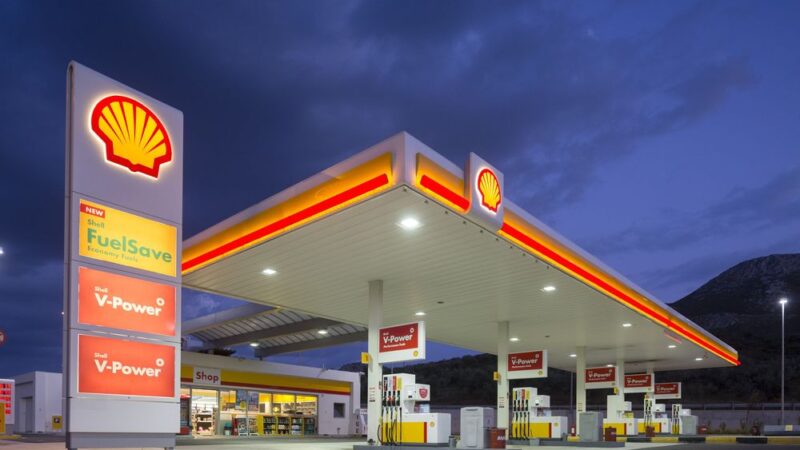
Pakistan’s OGRA price notification covers MS-92 (standard petrol) and HSD (diesel). High-octane petrol — typically Ron 95 or Ron 97 — is deregulated and priced by each OMC individually. Shell V-Power, Caltex Techron Premium, and similar premium fuels carry a surcharge above the OGRA base rate. For current High Octane petrol prices in Pakistan, see the dedicated page.
How to Reduce Your Monthly Petrol Spend
With petrol at Rs. 377.81 per litre, fuel efficiency matters more than ever. Here are practical, proven measures for Pakistani drivers:
1. Fill Up Smart
Petrol prices in Pakistan change on the 1st and 16th of each month. When a price reduction is announced — as happened on June 6 — filling up at the first available opportunity saves money. Conversely, before a potential hike, filling your tank the day before the notification date is advisable. Monitor the PakistanPetrolPrices.com homepage for advance alerts.
2. Maintain Your Vehicle
A clean air filter improves fuel economy by up to 10%. Under-inflated tyres increase rolling resistance and can reduce efficiency by 3–5%. Worn spark plugs cause incomplete combustion, wasting petrol. At Rs. 377.81/L, a 10% efficiency improvement saves Rs. 37 on every litre — equivalent to Rs. 370 per 10-litre fill.
3. Use the Fuel Cost Calculator
Before any road trip, use our free Pakistan Fuel Cost Calculator to estimate total fuel expenditure based on your vehicle’s mileage, distance, and current petrol or diesel rates. The calculator updates automatically with each OGRA revision.
4. Consider LPG for Older Vehicles
For high-mileage drivers — taxis, rickshaws, delivery vans — LPG conversion can reduce fuel costs significantly. CNG remains unavailable for petrol vehicles in most areas due to long-standing load management policies. Check current LPG cylinder and bulk prices on this site.
Frequently Asked Questions
What is the petrol price in Pakistan today, June 2026?
The official OGRA-notified petrol price in Pakistan today (June 6, 2026) is Rs. 377.81 per litre for standard petrol (MS-92). This is a decrease of Rs. 4.00 from the previous rate. Diesel (HSD) is Rs. 380.78/L, down Rs. 22.00. These prices apply uniformly across all cities in Pakistan.
When will petrol prices change next?
Pakistan’s OGRA typically revises petrol prices every fortnight — on the 1st and 16th of each month. The next revision is expected around June 16, 2026. During periods of high market volatility (such as the Strait of Hormuz crisis of early 2026), OGRA has moved to weekly reviews. Bookmark PakistanPetrolPrices.com for the latest updates.
Is the petrol price the same in all cities of Pakistan?
Yes. Pakistan operates a single, nationally uniform petrol and diesel price. OGRA’s notified rate of Rs. 377.81/L for petrol applies identically in Karachi, Lahore, Islamabad, Peshawar, Quetta, Multan, Faisalabad, and every other location. There is no legal regional variation for standard grades. Premium and high-octane fuels may differ by brand.
Why is petrol more expensive than diesel in some periods?
Pakistan historically applied different petroleum levy rates to petrol and diesel, with diesel often receiving a lower levy due to its economic importance for transport and agriculture. As of June 6, 2026, diesel is slightly higher than petrol (Rs. 380.78 vs Rs. 377.81) — an unusual situation. For a full breakdown of the levy gap, read our article on Petrol vs Diesel Price Comparison and Levy Gap.
What was the highest petrol price ever in Pakistan?
The all-time highest petrol price in Pakistan was Rs. 458.41 per litre, notified on April 3, 2026, following the closure of the Strait of Hormuz and a global oil shock driven by the US-Israel military conflict with Iran. It was the largest single-day increase in Pakistan’s recorded fuel history: +Rs. 137.24 in one notification. The price was subsequently partially reversed to Rs. 366.58 on April 11, 2026, following a PM-ordered Rs. 80 petroleum levy cut.
How does the petroleum levy affect petrol prices?
The petroleum levy is a fixed per-litre government tax, currently around Rs. 78/L on petrol. It is Pakistan’s single largest controllable component in the fuel price. Under Pakistan’s ongoing IMF programme, the government is required to maintain a minimum levy level as part of revenue targets. This creates an inherent floor below which pump prices cannot easily fall, even if global crude drops significantly. The April 2026 events showed that the levy can also be cut rapidly as a political relief measure when public pressure is intense.
Where can I check the full petrol price history for Pakistan?
The complete month-by-month and year-by-year history of Pakistan’s petrol prices from 2006 to 2026 is available on the Pakistan Petrol Price History page, with interactive heatmaps, era analysis cards, and a full data table. It is the most comprehensive public record of OGRA petrol notifications available online.
Stay Updated on Every OGRA Revision
Follow our WhatsApp channel for instant petrol price alerts the moment OGRA publishes new rates.