Petrol Pump Owners Threaten Nationwide Shutdown — 14,000–15,000 Stations May Go Dark
The All Pakistan Petrol Pump Owners Association has issued a stark warning to the federal government: address our concerns immediately or face a complete fuel supply shutdown that could trigger another energy crisis across Pakistan.
APPPOA Vice Chairman Nouman Ali Butt wrote to Petroleum Minister Ali Pervaiz Malik today, warning that 14,000–15,000 petrol pump owners will be “compelled to shut down” if demands are not urgently addressed. A similar letter on March 6 received no response from the ministry.
Key Facts at a Glance
| Issue | Current Status | Demand |
|---|---|---|
| Dealer margin (per litre) | Rs. 8.64 (2.59%) | 8% (~Rs. 25.69) |
| Pumps at risk of closure | 14,000 – 15,000 | — |
| Current petrol price | Rs. 321.17 / litre | No further hike |
| Petroleum levy increase (since conflict) | +Rs. 55 / litre | Rollback sought |
| Government response to March 6 letter | None received | Urgent meeting |
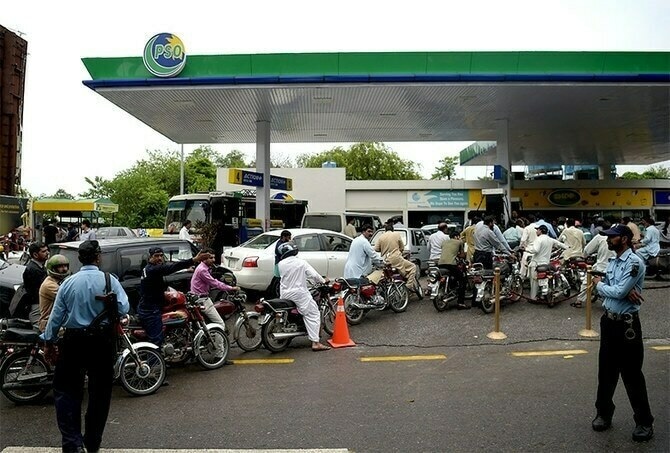
Pakistan’s fuel retail sector is on the edge of a crisis. The All Pakistan Petrol Pump Owners Association (APPPOA) formally warned the federal government on Wednesday, March 25, that nearly 14,000 to 15,000 petrol pump owners across the country could shut their stations indefinitely unless the government takes immediate steps to address mounting operational and financial grievances.
In a letter dated today and addressed to Federal Minister for Petroleum Ali Pervaiz Malik, APPPOA Vice Chairman Nouman Ali Butt requested an urgent meeting — alongside a thinly veiled ultimatum. The association stated plainly that responsibility for any resulting disruption would lie squarely with the Petroleum Division.
A Warning Ignored Once Already
The association’s frustration is compounded by the fact that this is not the first time it has raised the alarm. A similar letter was sent to the government on March 6 — nearly three weeks ago — laying out the same grievances. That letter received no response whatsoever from the ministry. This pattern of unacknowledged appeals has hardened positions within the association, with leaders indicating that a shutdown is no longer a negotiating tactic but a genuine last resort being actively considered.
What Petrol Pump Owners Are Up Against
The core grievance is a dealer margin that has become unviable against sharply rising operating costs. Dealers currently receive just Rs. 8.64 per litre — equivalent to 2.59 percent of the current petrol price of Rs. 321.17. The association has demanded this be raised to 8 percent, translating to roughly Rs. 25 per litre at current prices.
“We cannot continue to operate a business that only yields losses. We were promised an 8 percent margin by the government, but due to rising petroleum prices, our margin has dropped to 2.68 percent, making it impossible to continue.”
— Abdul Sami Khan, Chairman, Pakistan Petroleum Dealers Association
While the nominal rupee margin remains fixed, the rapid increase in petrol prices — driven by Middle East conflict and a surge in the petroleum levy — has eroded its real value dramatically. Since the West Asia conflict began, petrol and diesel prices were raised by Rs. 55 per litre each, benefiting the national exchequer through levy revenues while dealer margins remained unchanged in absolute terms.
Electricity Bills, Wages, and the Squeeze From All Sides
Dealer margins are only part of the picture. Electricity tariffs for commercial consumers have risen multiple times, directly hitting the power costs of running fuel pumps, lighting, and CCTV systems. Minimum wage hikes have added to the payroll burden of station owners who often employ 10 to 20 staff. The combination of a fixed margin and rising costs has made many stations financially unviable, particularly smaller independent operators outside major cities.
- Increase dealer margin from 2.59% to 8% per litre
- Urgent meeting with Federal Minister for Petroleum
- Industry stakeholders consulted before petroleum policy changes
- End arbitrary supply capping by oil marketing companies (OMCs)
- No further increase in petrol/diesel prices or petroleum levy
OMCs Accused of Artificial Supply Capping
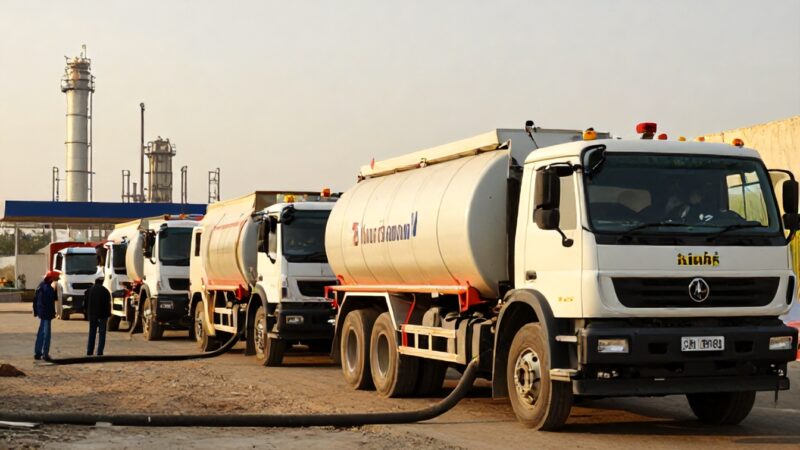
Beyond the margin issue, dealers allege that oil marketing companies (OMCs) have begun capping fuel deliveries to retail stations — limiting quantities that pumps can procure regardless of actual orders. According to Amir Khan Mahsud, President of the Petroleum Dealers Association Sindh, this has already caused several stations to run dry. Tankers are being made to wait hours before receiving supply, creating localised shortages that compound public anxiety about fuel availability.
Government: Supplies “Largely Secured” for March and April
The government’s official position paints a more reassuring picture. A committee monitoring petrol prices was informed on Tuesday that Pakistan has largely secured petrol cargoes for March and April, following a meeting chaired by Finance Minister Muhammad Aurangzeb. No emergency response to the dealers’ concerns was announced, and no formal engagement with APPPOA had been publicly confirmed as of March 25.
What a Shutdown Would Mean for Pakistan
If the APPPOA follows through, the impact on daily life would be severe and immediate. A shutdown of 14,000 to 15,000 petrol stations would halt transportation, cripple logistics networks, disrupt supply chains for food and medicine, and strand millions of commuters and commercial operators. Cities — Karachi, Lahore, Islamabad, Peshawar, and Quetta — each already grappling with elevated fuel costs and inflation, would be hardest hit. Rural areas could face near-total supply cutoffs within hours.
What Comes Next
All eyes are now on Federal Minister Ali Pervaiz Malik and the Petroleum Division. The APPPOA has made clear it expects a formal response and a meeting date promptly. Whether the government engages meaningfully — particularly on the margin increase — will determine whether the shutdown threat becomes reality. With petrol at Rs. 321.17 per litre and the West Asia conflict continuing to create uncertainty over future oil prices, the government has a narrow window to negotiate a resolution before the situation reaches a point of no return.
AllPKTaxes.com will continue to monitor developments and update this article as the situation evolves.

Abu Mohammad is the founder and editor of PakistanPetrolPrices.com, a trusted online platform that delivers accurate and timely fuel price information to consumers across Pakistan. With a deep interest in energy markets and economic affordability, Abu established the website to serve as a reliable, centralized resource for official fuel prices. The platform features up-to-date OGRA notifications, practical fuel cost calculators, comprehensive price history trends, and clear analysis of how fluctuating fuel costs impact households and businesses. Committed to accuracy and transparency, Abu personally verifies every update against government sources, helping Pakistani drivers and families make well-informed decisions about their fuel expenses. Through his work, he continues to promote greater awareness and financial clarity in an essential area of daily life.