The Oil Industry Just Officially Welcomed Daily Fuel Pricing. Here Is Why That Matters.
The Oil Companies Advisory Council has backed the government’s shift to daily fuel pricing, calling it a step toward the deregulation Pakistan’s petroleum sector has been waiting two decades for.
The Oil Companies Advisory Council, the body that represents Pakistan’s refiners and oil marketing companies, has formally welcomed the federal government’s decision to move to daily fuel pricing. The endorsement is significant because OCAC is the industry’s most important collective voice, and its support gives the new mechanism the kind of operational buy-in that no policy can work without.
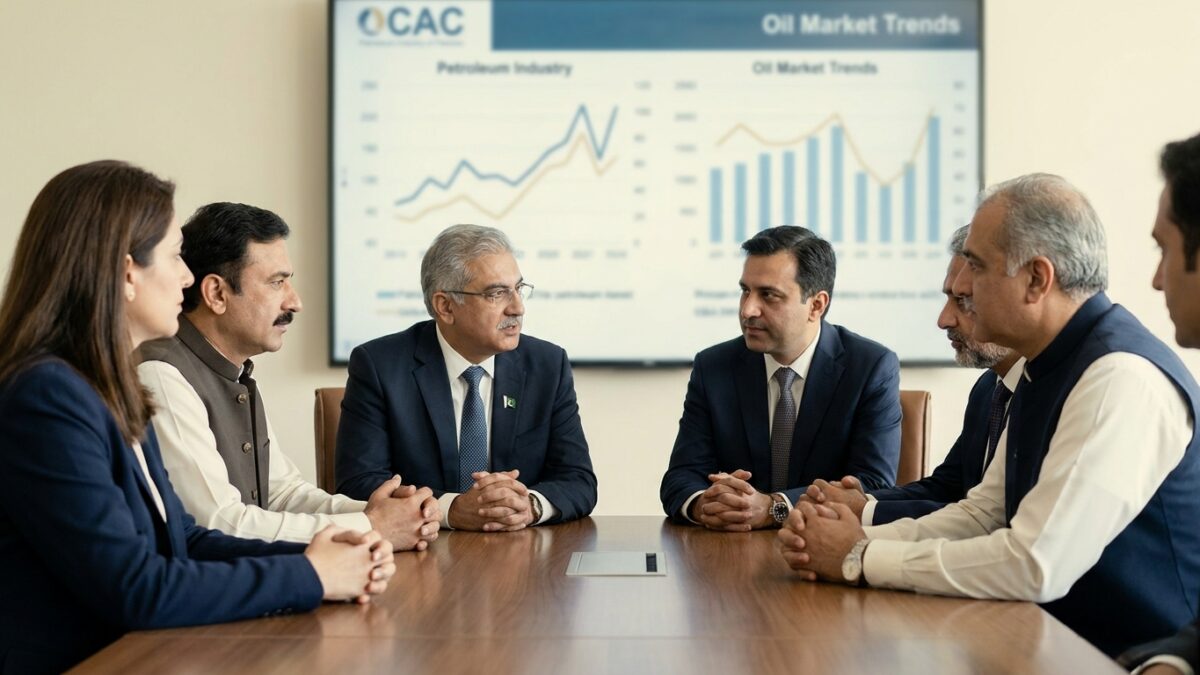
At a meeting convened by Federal Minister for Petroleum Ali Pervaiz Malik to brief industry stakeholders on the new pricing mechanism, OCAC and its members backed the move to daily pricing as a meaningful step toward the long-awaited deregulation of Pakistan’s petroleum sector, a debate that has been running for roughly two decades without ever quite reaching the finish line. The industry view is that daily pricing, anchored in a transparent, formula-based system tied to market fundamentals, is the structural reform that finally puts the system on a stable footing.
What OCAC said
OCAC’s position, as conveyed at the meeting, is that deregulation and daily pricing together are expected to foster a more competitive, transparent, and efficient fuel market by encouraging fair competition and improving operational efficiency across the industry. The council and its members appreciated the decision to move to daily pricing, assured the Ministry of Petroleum and OGRA of their full support, and committed to working with the government to make the new mechanism work in practice.
The meeting was attended by representatives of OGRA, OCAC, the Oil Marketing Association of Pakistan, refineries, oil marketing companies, and senior officials of the Petroleum Division. The broad representation matters because it signals that the new mechanism has the support not just of the industry lobby, but of the operators who will actually have to implement the daily price changes at thousands of petrol pumps across the country.
Why the industry’s backing matters
Industry support is not automatic. OCAC and its members have been sharply critical of several government pricing decisions in the last year, including the Rs 104 billion in losses they estimated the industry absorbed from abrupt formula changes earlier in 2026. The fact that the same body is now publicly backing the new mechanism is a meaningful signal that the daily pricing structure addresses the operational concerns that drove the previous friction.
For the industry, daily pricing has two practical upsides. The first is the elimination of inventory risk. Under the old fortnightly and weekly systems, OMCs and dealers regularly found themselves holding stock bought at one price while selling at another, and the resulting losses had to be absorbed by the industry. Daily pricing, tied to a transparent market benchmark, removes most of that risk. The second is regulatory clarity. The new mechanism is anchored in a transparent, formula-based process driven by market fundamentals, with a clear role for OGRA, clear publication requirements, and clear protection from political intervention. That structure is exactly what the industry has been asking for.
What the minister said
Speaking after the meeting, the petroleum minister said the new fuel pricing mechanism would help curb market abuse and eliminate opportunities for windfall gains. He described the reform as a step toward promoting transparency, strengthening competition, and ensuring fair, market-based prices for consumers. The framing is consistent with the broader government argument that the previous system allowed politically motivated price freezes and selective subsidies that distorted the market, and that a formula-based daily system removes those distortions by design.
The minister also said that under the new mechanism, retail petroleum prices will be determined through a transparent, formula-based system driven by market fundamentals, reducing the scope for political intervention and shielding consumers from abrupt price distortions. That commitment, if delivered, is the structural change that the industry, the IMF, and the consumers have all been asking for in different ways.
What this means for consumers
For consumers, the practical benefits that OCAC and the minister are pointing to are real, but they will take time to be visible. In the short term, the experience of paying for fuel will feel more volatile, because the price will change every day rather than every week or every two weeks. In the medium term, the increased competition and transparency should lead to better service standards at petrol pumps, more consistent pricing across the country, and the kind of operational improvements that follow from a more market-driven environment.
The key things to watch over the next few months are whether OGRA can publish the daily prices and the full component breakdown on its website on a reliable schedule, whether petrol pumps comply with the notified rates, and whether the announced action against overcharging is actually enforced. The policy framework is now in place, and the industry is on board, but the experience on the ground will depend on how the implementation works in practice.
The bottom line is that this is the moment the industry and the government have both been talking about for years, and the fact that it has actually happened, with the industry’s full backing, is a meaningful step. Whether the new system delivers on the promises of transparency, fair pricing, and protection from political manipulation will be visible in the next few weeks, as the first round of daily adjustments plays out under the eyes of consumers, the industry, and the IMF.
For the cabinet’s daily pricing announcement, our federal cabinet announcement coverage walks through the policy. For the first daily price revision under the new system, our 18 July price coverage is relevant. For the OGRA-as-regulator context, our OGRA daily regulation coverage is useful. For the broader pricing reform, our petrol price formula reform coverage is related.
Source: Petroleum Division statement on the OCAC meeting; Oil Companies Advisory Council position on daily pricing.