Pakistan Cnergyico refinery 2026: new capacity, deep conversion and output outlook
Cnergyico’s flagship refinery in Karachi is set to finish its 2026 expansion, adding roughly 250,000 barrels per day of new capacity and introducing a deep conversion unit that will reshape Pakistan’s fuel mix. The project promises higher yields of gasoline and diesel while cutting heavy fuel oil output, aligning with the government’s clean‑energy goals. Analysts are watching how the upgraded complex will affect domestic prices, import dependence and the broader petrochemical sector.
Background and strategic intent
The Cnergyico refinery, originally commissioned in 2015, was built to process around 120,000 bpd of crude. Since then, the complex has become a cornerstone of Pakistan’s downstream sector, supplying fuel to the southern provinces and exporting surplus to neighbouring markets.
In 2023 the Ministry of Energy announced a national programme to increase refining capacity by at least 500,000 bpd by 2028. Cnergyico’s expansion was selected as a flagship project because of its location near the Port of Karachi, existing export pipelines, and the company’s track record of operating with low turnaround times.
New capacity and construction timeline
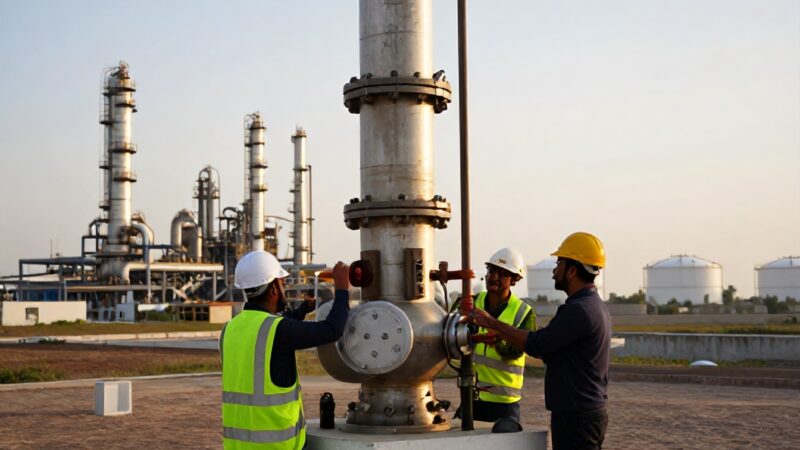
The 2026 phase adds a new primary distillation unit, a secondary vacuum tower and auxiliary storage tanks. Together they will lift the total crude‑throughput to roughly 250,000 bpd, almost doubling the plant’s original size. Construction began in early 2024 and is on schedule for commercial operation by September 2026.
Key milestones include:
- Installation of a 60‑meter‑diameter crude inlet line in March 2025.
- Commissioning of the vacuum distillation column in June 2025.
- Start‑up of the deep conversion unit in May 2026.
Project financing is a mix of equity from Cnergyico’s shareholders and a syndicated loan led by local banks, with a total capital outlay estimated at around PKR 150 billion.
Deep conversion technology explained
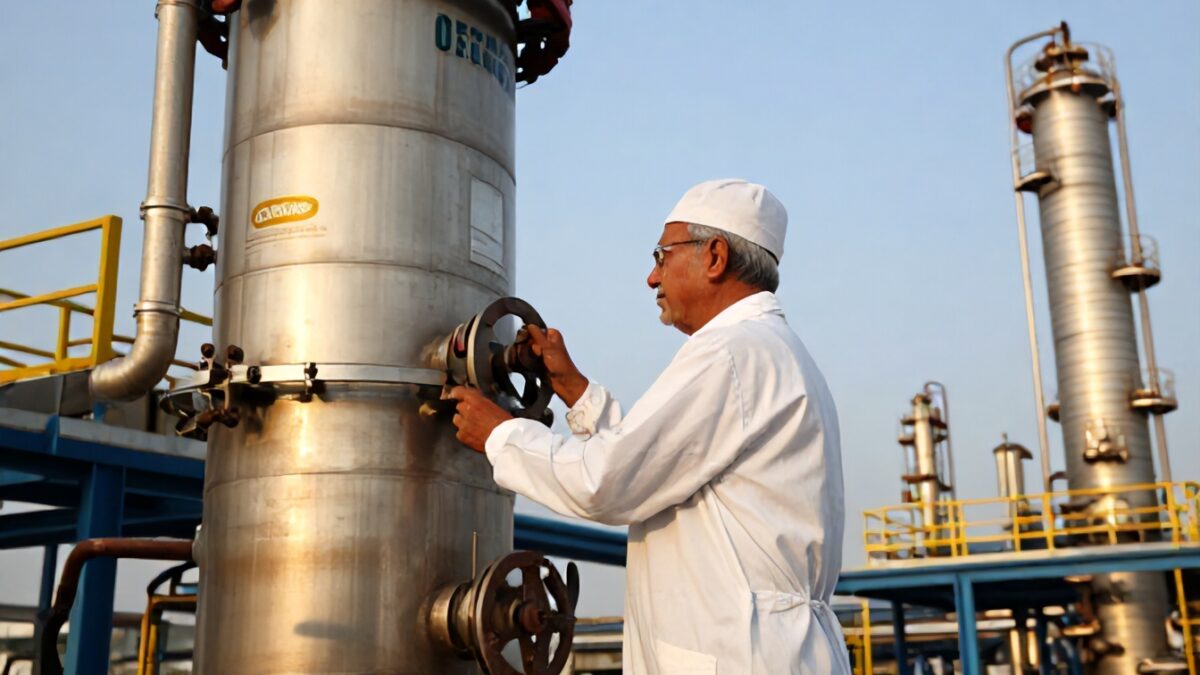
The deep conversion unit (DCU) is a hydrocracking‑hydrotreating complex designed to break down heavy fractions into lighter, higher‑value products. Unlike a conventional conversion unit, the DCU operates at higher pressures (up to 1,500 psi) and lower temperatures, achieving conversion rates of 85 % for heavy fuel oil to gasoline‑range streams.
By integrating the DCU with the existing catalytic cracker, Cnergyico can recycle unconverted residues, improving overall yield and reducing waste. The technology also lowers sulphur content in diesel and gasoline, helping the refinery meet the upcoming Euro V‑type specifications the Pakistani government plans to enforce from 2027.
“The deep conversion unit will be a game‑changer for Pakistan’s fuel security, delivering more gasoline and cleaner diesel from the same barrel of crude,” said a senior Cnergyico engineer during a recent site visit.
Product slate and market impact
With the new capacity, the refinery’s projected product mix for 2027 looks like this:
| Product | Daily output (bbl) | Share of total |
|---|---|---|
| Motor gasoline (RON 95) | 80,000 | 32 % |
| Diesel (Euro‑V) | 70,000 | 28 % |
| Kerosene (aviation) | 30,000 | 12 % |
| Petrochemical feedstock | 25,000 | 10 % |
| Heavy fuel oil | 20,000 | 8 % |
| Other (lubricants, waxes) | 25,000 | 10 % |
The rise in gasoline and diesel output is expected to ease the chronic shortfall that has driven imports of refined products for years. Analysts from the State Bank of Pakistan estimate that the new supply could shave up to 150,000 bpd of import demand, saving the balance of payments roughly PKR 12 billion annually.
At the same time, the reduced heavy fuel oil output aligns with the government’s plan to phase out high‑sulphur bunker fuel in Pakistani ports, encouraging a shift toward cleaner marine fuels.
Economic and environmental considerations
From an economic perspective, the expansion creates an estimated 2,500 direct jobs during construction and 800 permanent positions once fully operational. Local suppliers of steel, pipework and instrumentation are also expected to benefit, supporting the broader manufacturing ecosystem.
Environmentally, the deep conversion unit lowers carbon intensity per barrel by about 10 % compared with the previous configuration, according to an internal audit. The refinery will also install a new flare‑gas recovery system, capturing roughly 5 million Nm³ of gas per year for use in on‑site power generation.
Regulators such as the Pakistan Environmental Protection Agency have granted a conditional licence that mandates continuous monitoring of sulphur dioxide and nitrogen oxides, with penalties for any breach. Cnergyico has pledged to publish quarterly emissions data on its corporate website.
Quick answers
When will the new capacity be operational?
Commercial production is slated for September 2026, with a phased ramp‑up over the following three months.
How much additional gasoline will be produced?
The refinery will add roughly 80,000 bbl per day of motor gasoline, raising the national supply by about 20 %.
Will the expansion affect fuel prices for consumers?
Higher domestic supply should ease upward pressure on retail prices, though exact effects will depend on global crude trends and exchange‑rate movements.
What environmental upgrades accompany the capacity boost?
Key measures include a flare‑gas recovery system, upgraded sulphur‑scrubbing units and continuous emissions monitoring to meet the latest EPA standards.