Pakistan Pak‑Arab Refinery (PARCO) 2026 Deep Conversion Project: Capacity Boost, New Products and Import Outlook
PARCO’s deep conversion programme, slated for completion in 2026, promises a major shift in Pakistan’s refining landscape. The project will add several hundred thousand barrels per day of capacity and introduce higher‑value petrochemical streams. Analysts expect the new output to curb fuel imports, but the timing and scale of the impact remain under close watch. This report unpacks the technical scope, projected yields and the broader import implications.
Background to the deep conversion
The Pak‑Arab Refinery, situated near Multan, has operated since the early 2000s with a modest crude‑oil processing capacity of about 120,000 barrels per day (bpd). Over the past decade, Pakistan’s demand for diesel, gasoline and jet fuel has outstripped domestic production, leading to a persistent import gap. In response, the government encouraged existing refineries to upgrade, and PARCO emerged as the flagship candidate for a deep conversion, a term that denotes extensive revamping of primary and secondary processing units.
The decision to pursue deep conversion rather than a greenfield expansion stemmed from several factors: the strategic location of the existing complex, the availability of skilled labour, and the desire to retain valuable ancillary infrastructure such as storage tanks and utility plants. Funding for the project is a blend of equity from PARCO’s Saudi and Pakistani shareholders, plus a modest loan facility from the State Bank of Pakistan’s refinancing scheme for energy projects.
Technical scope of the 2026 project
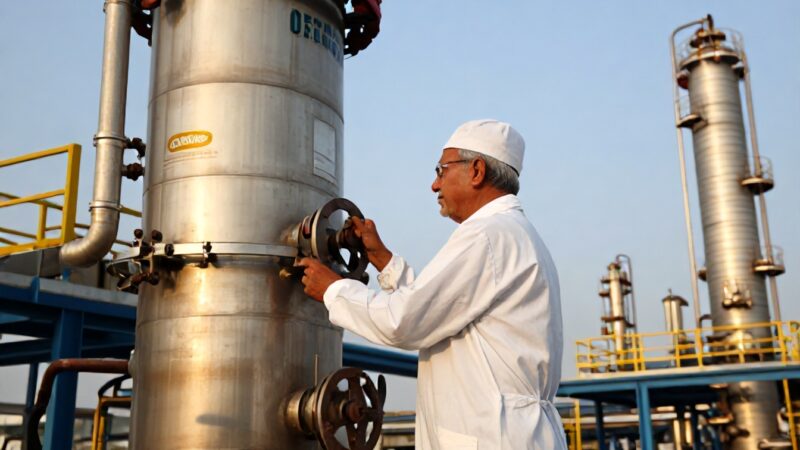
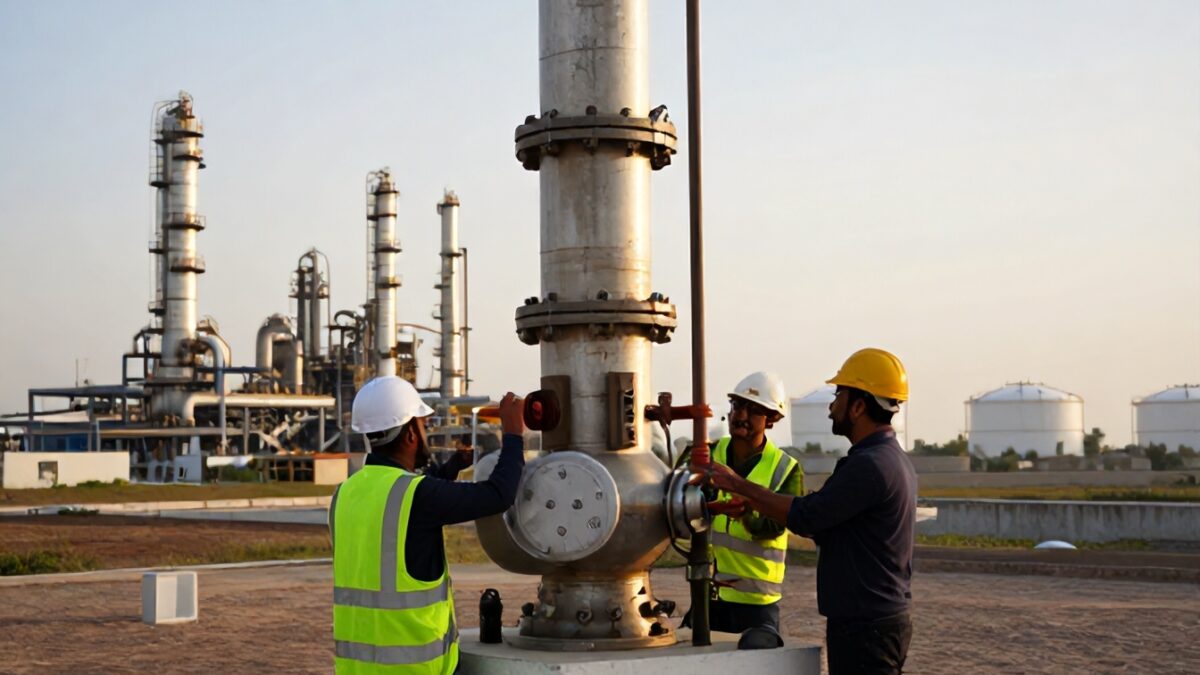
The conversion plan targets three core upgrades. First, a new crude distillation unit (CDU) will raise the primary processing capacity to roughly 250,000 bpd. Second, a state‑of‑the‑art hydro‑desulphurisation (HDS) complex will enable the production of ultra‑low‑sulphur diesel that meets Euro V specifications. Third, a petrochemical integration hub will add a propylene‑propylene monomer (PPM) plant and a small aromatics complex, allowing PARCO to export higher‑value chemicals.
Supporting these upgrades are ancillary works: a modernised utility centre, upgraded power generation to 120 MW, and a new water‑treatment plant to meet environmental standards. The project also incorporates digital monitoring systems that feed real‑time data to a central control room, improving operational efficiency and safety compliance.
Expected output and product slate
Upon commissioning, PARCO is projected to produce around 180,000 bpd of gasoline, 150,000 bpd of diesel, and 30,000 bpd of jet fuel. The new petrochemical units will generate roughly 250,000 tonnes per year of propylene and 120,000 tonnes of benzene, marking the first significant domestic source of these feedstocks. Table 1 summarises the anticipated product yields compared with the pre‑conversion baseline.
| Product | Pre‑conversion (bpd) | Post‑conversion (bpd) |
|---|---|---|
| Gasoline | 70,000 | 180,000 |
| Diesel | 50,000 | 150,000 |
| Jet fuel | 10,000 | 30,000 |
| Propylene (tonnes/yr) | 0 | 250,000 |
| Benzene (tonnes/yr) | 0 | 120,000 |
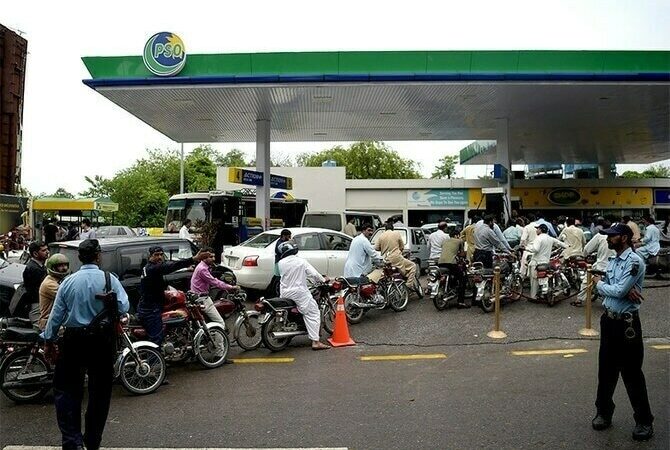
The increase in diesel and gasoline output is particularly significant because these fuels constitute over 70 % of Pakistan’s total fuel consumption. By meeting a larger share of domestic demand, PARCO’s expanded refinery could lessen the reliance on imported refined products, which currently cost the nation several hundred million US dollars annually.
Implications for fuel imports
Historically, Pakistan has imported roughly 150,000 bpd of refined products each year, a figure that has risen in line with economic growth. The deep conversion is expected to shave off about 80,000 bpd of that import requirement, translating to an estimated reduction of 0.5 million tonnes of fuel imports per year. Table 2 outlines the projected net change in fuel imports after the refinery reaches full capacity.
| Year | Estimated net fuel imports (million tonnes) |
|---|---|
| 2024 (baseline) | 1.8 |
| 2026 (projected) | 1.3 |
| 2028 (post‑commissioning) | 1.2 |
While the numbers suggest a substantial curtailment, analysts caution that the import reduction will be gradual. The refinery’s new units require a ramp‑up period, and market dynamics such as seasonal demand spikes and fluctuations in crude supply could moderate the net effect. Nonetheless, the Ministry of Energy expects the project to improve the trade balance and provide a buffer against volatile global oil prices.
“The deep conversion will not only make PARCO a cornerstone of Pakistan’s energy security but also open new avenues for petrochemical exports,” said Ahmad Khan, PARCO’s Chief Executive Officer.
Quick answers
When is the deep conversion expected to be completed?
The main construction phase is scheduled to finish by the third quarter of 2026, with full commercial operation anticipated by early 2027.
How much additional diesel capacity will PARCO add?
Post‑conversion diesel output is projected at 150,000 bpd, roughly three times the current level.
Will the project affect fuel prices for consumers?
In theory, higher domestic supply should ease price pressures, but retail prices will still be influenced by taxes, exchange rates and global crude trends.
What new petrochemical products will be produced?
PARCO will launch a propylene‑propylene monomer plant and a benzene unit, together delivering over 350,000 tonnes of petrochemical feedstock annually.
How will the project be financed?
The funding mix includes equity from PARCO’s Saudi and Pakistani shareholders, a loan from the State Bank’s energy refinancing scheme, and a modest portion of internal cash flow.