Petrol Price Raised by Rs. 6.51, Diesel Jumps Rs. 19.39 from May 1
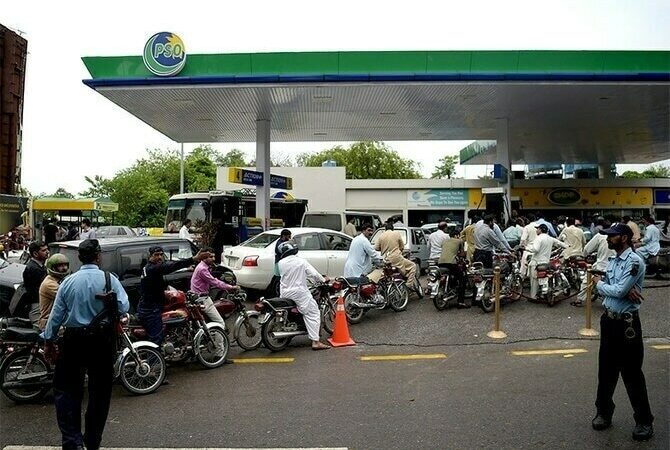
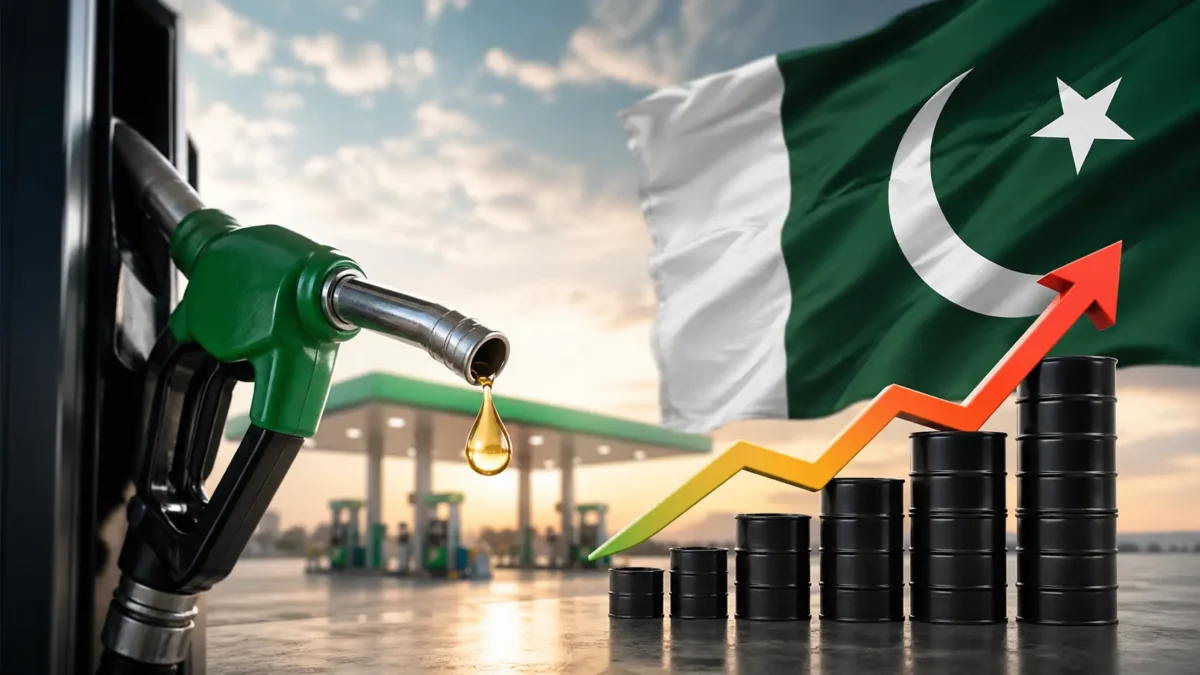
The federal government has announced a fresh increase in the prices of Motor Spirit (petrol) and High-Speed Diesel (HSD), effective midnight May 1, 2026. Petrol now costs Rs. 399.86 per litre, while diesel has witnessed a steep rise of Rs. 19.39, reaching Rs. 399.58. Kerosene oil and Light Diesel Oil remain unchanged, and the Hi-Octane Euro 5 variant also inched up approximately Rs. 10 to around Rs. 670 per litre. The new rates, sanctioned by the Oil & Gas Regulatory Authority (OGRA) and the Ministry of Finance, reflect persistent international crude oil volatility and adjustments to the inland freight equalisation margin. This is the second consecutive fortnightly increase for petrol and the sharpest diesel hike in over eight months, setting the stage for ripple effects across inflation, transport, and agriculture.
| Fuel Type | Previous Rate | Today’s Rate (May 1) | Change |
|---|---|---|---|
| Petrol — Motor Spirit (MS 92) | Rs. 393.35/L | Rs. 399.86/L | ▲ +Rs. 6.51 |
| High-Speed Diesel (HSD) | Rs. 380.19/L | Rs. 399.58/L | ▲ +Rs. 19.39 |
| Kerosene Oil (SKO) | Rs. 450.15/L | Rs. 450.15/L | — Unchanged |
| Light Diesel Oil (LDO) | Rs. 369.72/L | Rs. 369.72/L | — Unchanged |
| Hi-Octane Euro 5 (RON 95-97) | ~Rs. 660/L | ~Rs. 670/L | ▲ ~Rs. 10 |
⚠️ Prices are effective from 12:00 AM, May 1, 2026. Actual rates may differ slightly by city due to transportation and dealer margins. Always check your local station or our City-Wise Fuel Price Tracker.
How OGRA and the Government Determine These Prices
The pricing mechanism relies on the import parity price formula, which accounts for Free on Board (FOB) values in the Arabian Gulf, shipping freight, insurance, and the exchange rate of the Pakistani Rupee against the US Dollar. On top of this, the government layers the Petroleum Levy (PL), sales tax, and dealers’ margins. For the fortnight ending April 30, 2026, average Brent crude settled near $87.40 per barrel, up $2.10 from the previous pricing window. Simultaneously, the rupee weakened slightly by 0.7%, raising the effective landed cost. While the petroleum levy remained capped at Rs. 60 per litre, the exchange rate slippage and a 1.5% surge in international diesel spot prices drove the sharp diesel correction. You can read a detailed breakdown in our Fuel Tax Structure 2026 explainer.
International Market Context
Global oil markets remain nervous amid extended OPEC+ production cuts and geopolitical tensions affecting key shipping lanes. Diesel (gas oil) cracks surged due to reduced Chinese exports and strong heating oil demand in Northern Asia. This divergence explains why HSD jumped Rs. 19.39 while petrol saw a relatively modest Rs. 6.51 elevation. Importers also paid slightly higher premiums for Euro 5 compliant fuel, pushing the Hi-Octane variant near Rs. 670/L. Analysts tracking the Crude Oil Price Outlook suggest the trend may persist through mid-May unless a ceasefire agreement eases supply fears.
📊 Historical Perspective: Petrol and Diesel Prices Over the Past Year
Exactly one year ago, on May 1, 2025, petrol was priced at Rs. 368.10 per litre and diesel at Rs. 354.25. That means petrol has risen by Rs. 31.76 (8.6%) and diesel by Rs. 45.33 (12.8%) in only twelve months. The diesel parity price is now virtually identical to petrol, a phenomenon last observed in late 2024 during the peak energy crisis. Our Historical Petrol Price Chart demonstrates that sustained volatility often precedes significant shifts in transportation and food inflation indices. Consumers can also compare multi-year trends via the 5-Year Fuel Price Database.
Sector-wise Impact Analysis
Transportation Sector: Diesel-propelled goods carriers, buses, and intercity coaches will bear the brunt. Major trucking associations have already warned that freight costs from Karachi to upcountry destinations could climb 6-8%. This will eventually reflect in the prices of perishable goods, particularly vegetables and fruits arriving from Sindh and Balochistan. Check our updated Freight Cost Calculator to estimate the impact on your logistics chain.
Agriculture and Irrigation: With the wheat harvesting season winding down and cotton sowing underway, farmers relying on diesel-powered tube wells and tractors face higher operational costs. Light Diesel Oil (LDO), often used in smaller engines, thankfully stayed unchanged at Rs. 369.72, providing a critical cushion for smallholder farmers. Still, we recommend visiting our Latest Diesel Price Analysis for region-specific milk and crop budgeting.
Industrial Manufacturing: Captive power plants running on diesel will see a direct margin squeeze, especially in the textile and cement sectors located off-grid. The unchanged kerosene and LDO rates may, however, soften the blow for smaller processing units and tea estates that rely on LDO for drying operations.
City-Wise Price Variations & Anomalies
While the federal government notifies ex-depot sale prices, final pump rates differ across cities due to varying inland freight margins, octroi if applicable, and dealer commissions. Karachi, being the port city, traditionally enjoys marginally lower diesel prices, whereas northern cities like Peshawar and Gilgit may see petrol touching Rs. 402–404 per litre. Islamabad and Lahore generally align closely with the notified maximum retail price. For real-time updates, keep our Petrol Price in Pakistan Today dashboard bookmarked; it automatically detects your city and shows the nearest pump rates.
Specific Grade Notes: Hi-Octane and Euro 5 Fuels
The Hi-Octane Euro 5 category (RON 95-97) is becoming increasingly relevant as newer imported cars and luxury SUVs recommend high-RON fuel. Industry estimates place its consumption at roughly 3% of total motor spirit demand but growing 15% annually. The approximately Rs. 10 hike aligns with the rise in premium naphtha costs. Our Hi-Octane Euro 5 Guide explains which engines truly benefit and the risks of using lower-grade alternatives.
💬 Reactions from Trade Bodies and Political Figures
The Pakistan Business Council and Karachi Chamber of Commerce have voiced “deep concerns” over the cascading effect of the diesel hike on retail inflation. The All Pakistan CNG Association reiterated its demand for a CNG Price Revision, arguing that parity with diesel could accelerate demand destruction. Meanwhile, the Ministry of Finance’s statement said the adjustments were “inevitable” to meet IMF programme commitments regarding the petroleum levy target of Rs. 1.28 trillion for FY2026. Additional documentation is available under our OGRA Price Notifications section.
Actionable Advice for Consumers and Businesses
With an average 40-litre car tank, the Rs. 6.51 increase translates into an extra Rs. 260 per fill for petrol. Diesel owners facing the Rs. 19.39 jump will pay Rs. 776 more per 40-litres, or nearly Rs. 1,550 extra for a typical 80-litre truck tank. It makes sense to reassess monthly fuel budgets and consider route optimization. Visit our Fuel Price Calculator to model your weekly or monthly spend. Additionally, the Monthly Fuel Inflation Report breaks down how these changes feed into the Consumer Price Index (CPI) and your purchasing power.
The Fortnight Ahead: What to Expect on May 15
The next pricing review will be based on the average Platts assessments from May 1 to May 14. Early signs from the futures market show moderate easing in diesel cracks, but any further depreciation of the rupee could offset the benefit. We anticipate petrol might move by Rs. 2–4 either direction, while diesel could see a partial correction of Rs. 5–8 if the demand scenario softens. Subscribe to Fuel Price Alerts to receive instant WhatsApp or email notifications as soon as the government issues the notification.
Recommended Internal Resources
- Petrol Price in Pakistan Today – daily updated dashboard
- Historical Petrol Price Chart – 10-year interactive graphs
- Latest Diesel Price Analysis – impact on logistics & farming
- Hi-Octane Euro 5 Guide – understand RON ratings
- OGRA Price Notifications – official gazette copies
- Fuel Price Calculator – estimate your monthly outlay
- Monthly Fuel Cost Estimator – budget planning tool
- CNG Price Update – alternative fuel comparisons
- Fuel Tax Breakdown – levy, GST, and dealer margins
- Crude Oil Price Forecast – expert analysis and trends
- Compare City Fuel Prices – side-by-side metro comparison
- Freight Cost Calculator – trucking and load rates
- 5-Year Fuel Price Database – long-term historical data
- Monthly Fuel Inflation Report – CPI linkages
- Fuel Price Alerts – instant notification subscription
- City-Wise Fuel Price Tracker – granular local data
Disclaimer: Prices are based on official government releases and are subject to final notification by OGRA and the Ministry of Finance. PakistanPetrolPrices.com strives for accuracy but recommends verifying with your local fuel station. This article is for informational purposes only and does not constitute financial or investment advice. All quoted links lead to internal site pages for further reading.