Petrol Prices Likely to Be Revised This Friday: What Pakistanis Need to Know
Important Announcement Expected
Finance Minister is expected to announce the new petroleum prices this Friday. Citizens are advised to stay updated with the latest fuel price information.
Overview: What We Know So Far
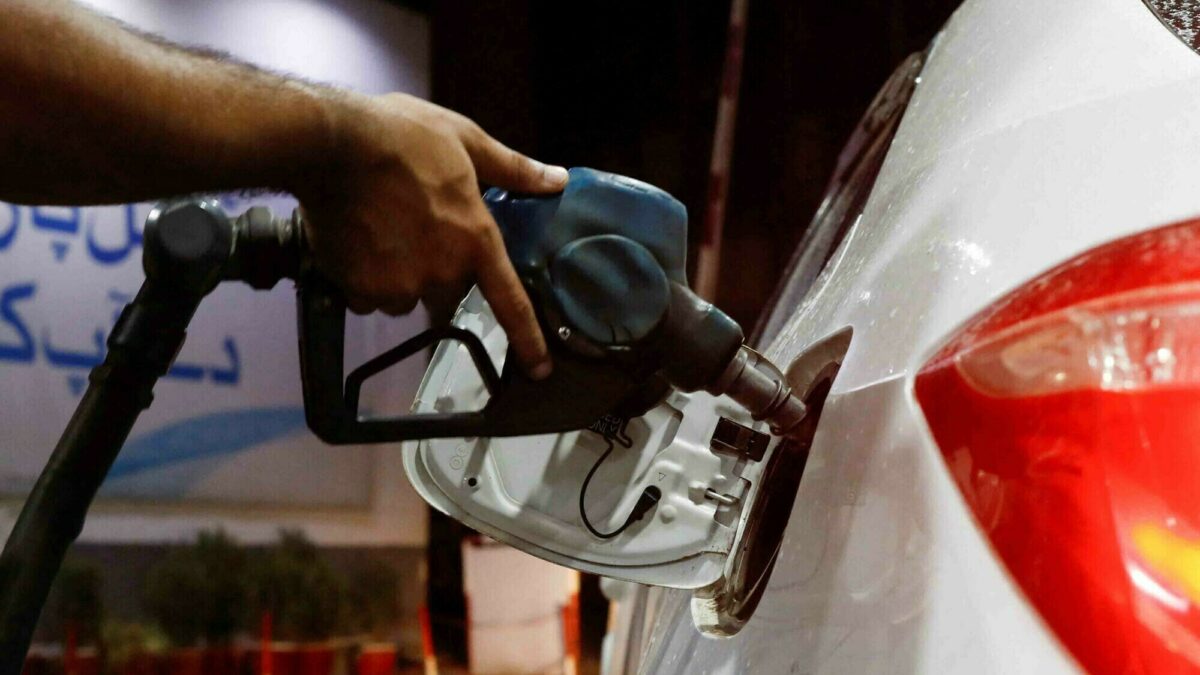
As Pakistanis continue to grapple with fluctuating fuel prices, there are fresh indications that petroleum prices may be revised once again this coming Friday. The Finance Minister has hinted at potential changes in the upcoming weekly review, leaving millions of citizens anxious about what this might mean for their monthly budgets.
The current petrol price of Rs. 366 per litre has been in effect since April 11, 2026, when the government announced a reduction of Rs. 12 per litre. However, with international oil markets remaining volatile and regional tensions affecting global supplies, another revision appears imminent.
Official sources suggest that the upcoming price review will take into account the latest international crude oil rates, thePakistani rupee’s performance against the dollar, and the overall economic situation. Citizens across the country are closely watching these developments, as fuel prices directly impact the cost of transportation, food, and virtually every consumer good.
Recent Price History: A Quick Recap
Petrol Price Changes in April 2026
| Date | Price per Litre | Change | Notes |
|---|---|---|---|
| April 1, 2026 | Rs. 458.40 | +Rs. 137.33 | Major hike amid Middle East tensions |
| April 3, 2026 | Rs. 378.00 | -Rs. 80.40 | PM Shehbaz announced major reduction |
| April 11, 2026 | Rs. 366.58 | -Rs. 11.42 | Further reduction announced |
| April 20, 2026 | Rs. 366.58 | No change | Current price |
What Factors Could Influence Friday’s Decision?
Key Factors in Price Determination
- International Crude Oil Prices: Global oil markets have shown volatility due to ongoing Middle East situation and OPEC+ production decisions.
- Exchange Rate: The Pakistani rupee’s value against the US dollar plays a crucial role in determining final petrol prices.
- Transportation Costs: Logistics and transportation expenses from refineries to fuel stations affect the final retail price.
- Tax Structure: Government taxes and levies constitute a significant portion of petrol prices in Pakistan.
- Global Demand: Seasonal variations in oil demand across major economies influence international rates.
“The government is closely monitoring the international oil market situation. Any decision on fuel prices will be made with careful consideration of both global trends and the welfare of our citizens.”
Impact on Daily Life: What It Means for You
Any change in petrol prices has a cascading effect on the entire economy. From daily commuters to large-scale transporters, everyone feels the impact. Here’s how price fluctuations affect different segments:
What Experts Are Saying
Energy sector analysts have varying opinions about what Friday’s announcement might bring. Some predict a modest reduction following recent declines in international oil prices, while others warn that geopolitical uncertainties could lead to an upward revision.
“The Middle East situation remains fluid, and any escalation could immediately impact oil prices globally,” noted one energy analyst. “On the other hand, if the current ceasefire holds, we might see some relief at the pumps.”
The government has maintained that it tries to balance the need for affordable fuel with fiscal sustainability. With Pakistan’s economy showing signs of recovery, authorities are cautious about passing on too much of the international price volatility to consumers.
What Can Citizens Do?
Smart Ways to Manage Fuel Costs
- Plan Your Trips: Combine multiple errands into one trip to minimize unnecessary travel.
- Maintain Your Vehicle: Regular maintenance ensures better fuel efficiency.
- Compare Prices: Different fuel stations may offer varying prices in the same area.
- Consider Carpooling: Sharing rides with colleagues or neighbors can significantly reduce costs.
- Stay Informed: Keep track of price changes to fill up during favorable periods.
- Use Public Transport: When possible, opt for buses or metro services to save on fuel.
Frequently Asked Questions
When will the new petrol prices be announced?
The Finance Minister is expected to announce revised prices this Friday. The new rates typically become effective from Saturday midnight.
What is the current petrol price in Pakistan?
As of April 20, 2026, petrol is priced at Rs. 366 per litre. This rate has been in effect since April 11, 2026.
Why do petrol prices change every week?
Pakistan follows a weekly price revision mechanism based on international oil prices and exchange rate fluctuations. This allows for gradual adjustments rather than sudden massive changes.
Will diesel prices also change?
Along with petrol, diesel prices are also reviewed weekly. The recent diesel reduction to Rs. 353.43 per litre (from Rs. 385.54) was announced on April 17, 2026.
How are fuel prices determined in Pakistan?
Fuel prices are determined by the Oil and Gas Regulatory Authority (OGRA) based on international rates, exchange rates, and government taxes. The final prices are then approved by the Finance Ministry.
Where can I get the official petrol price information?
Official prices are announced through OGRA and the Finance Ministry. You can also check our website for the latest updates as soon as they are announced.
Conclusion
As Pakistan awaits Friday’s announcement, citizens are hopeful for some relief at the pumps. While the current petrol price of Rs. 366 per litre represents a significant reduction from the Rs. 458.40 seen earlier this month, the fortnightly reviews mean that further adjustments are always possible.
The government faces the delicate task of balancing consumer affordability with economic sustainability. Whatever the Friday announcement brings, it will undoubtedly affect millions of Pakistanis who depend on petroleum products for their daily transportation needs.
Stay tuned to PakistanPetrolPrices.com for the latest updates as soon as the new prices are officially announced. We will provide immediate coverage of the revised rates and their expected impact on various sectors.