Why Is Petrol So Expensive in Pakistan? A Complete Explanation
Table of Contents
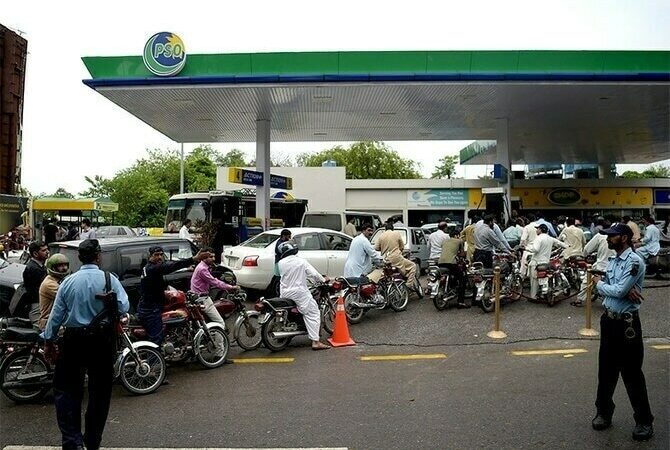
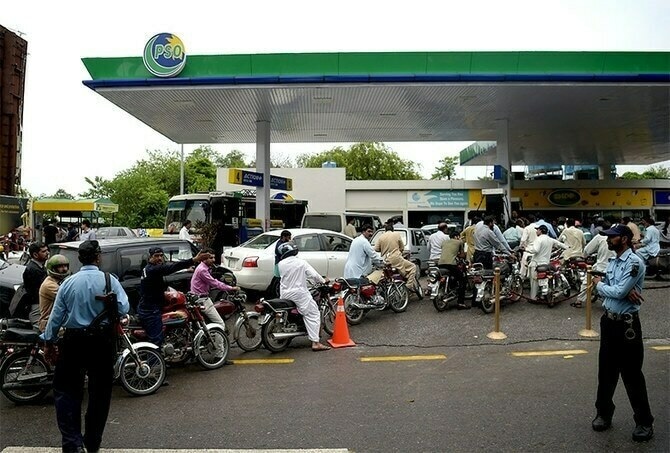
If you own a car or ride a motorcycle in Pakistan, you have probably asked yourself: why is petrol so expensive in Pakistan? Every time you fill up at the pump, a significant portion of your money goes to taxes and fees rather than the actual fuel. This article explains exactly why petrol prices are high, what makes up the cost, and what factors influence these prices.
Main Reasons Why Petrol Is Expensive in Pakistan
Pakistan has one of the highest petrol prices in South Asia relative to income levels. Several interconnected factors contribute to this situation:
1. High Tax Burden
The biggest reason petrol costs so much is taxation. The federal government levies multiple taxes on every litre of petrol sold in Pakistan. These include Petroleum Levy, General Sales Tax (GST), and customs duties. Combined, these taxes can account for nearly 40-50% of the final pump price. This means for every Rs. 100 you spend on petrol, roughly Rs. 40-50 goes directly to the government treasury.
2. Import Dependency
Pakistan does not produce enough crude oil to meet domestic demand. The country relies on imported crude oil and refined petroleum products to fill the gap. Since Pakistan must purchase oil in international markets using US dollars, any weakness in the Pakistani Rupee directly increases petrol prices at local pumps. The exchange rate between PKR and USD plays a crucial role in determining final prices.
3. International Market Prices
Global crude oil prices fluctuate based on supply, demand, geopolitical events, and economic conditions worldwide. When international prices rise due to OPEC production decisions or global demand surges, Pakistani consumers feel the impact through higher petrol prices. The country has limited ability to influence these international market forces.
4. Transportation and Distribution Costs
Getting petrol from refineries to thousands of fuel stations across Pakistan involves transportation, storage, and dealer margins. Pakistan’s vast geography and sometimes poor infrastructure add to these costs. Each step in the distribution chain adds to the final price consumers pay.
5. Refining Costs and Margins
Oil marketing companies and refineries also take their share. Their operational costs, profit margins, and expenses for maintaining storage facilities and meeting environmental regulations contribute to the overall price consumers pay at the pump.
Detailed Tax Breakdown on Petrol in Pakistan
Understanding exactly where your money goes when you buy petrol helps explain why prices remain high. Here is a typical breakdown of the current petrol price structure:
| Component | Approximate Percentage | Impact on Price |
|---|---|---|
| Petroleum Levy | 15-20% | Fixed amount per litre set by government |
| General Sales Tax (GST) | 18% | Applied to the total cost including levy |
| Customs Duty | Variable | Depends on import conditions |
| Infrastructure Development Cess | Variable | Regional levy in some provinces |
| Actual Fuel Cost | 45-55% | International price + import costs |
Comparing Pakistan Petrol Prices with Other Countries
Pakistan’s petrol prices are often compared with neighboring countries and major economies. However, raw price comparisons can be misleading without considering purchasing power parity and income levels.
In absolute terms, Pakistan’s petrol prices fall somewhere between India and Bangladesh when measured in international dollars. However, when adjusted for average income levels, Pakistani consumers shoulder a significantly heavier burden compared to citizens of oil-producing Gulf nations or developed economies where incomes are much higher.
Countries like Saudi Arabia, Qatar, and UAE have heavily subsidized petrol prices because they are major oil producers. Pakistan, despite having some domestic oil production, still depends heavily on imports and lacks the fiscal space to subsidize fuel at scale.
Key Factors That Affect Petrol Prices in Pakistan
State Bank Monetary Policy
The State Bank of Pakistan’s decisions on interest rates indirectly affect petrol prices. Higher interest rates strengthen the rupee against the dollar, which can help control import costs. However, they also increase borrowing costs for businesses, creating complex economic trade-offs.
Global Crude Oil Markets
OPEC’s production decisions, global demand patterns, and geopolitical tensions in oil-producing regions all influence international crude prices. Events in the Middle East, Russia-Ukraine dynamics, and Chinese economic growth all have ripple effects on what Pakistan pays for imported oil.
Exchange Rate Fluctuations
The PKR/USD exchange rate directly impacts petrol prices since oil is traded in dollars. When the rupee depreciates, import costs rise even if international prices remain stable. Pakistan’s balance of payments situation affects currency stability.
Seasonal Demand Patterns
Demand for petrol increases during summer months when more people travel and agricultural activity peaks. Ramadan often sees changes in travel patterns as well. These seasonal shifts can put upward pressure on prices during peak demand periods.
Government Fiscal Decisions
The federal government decides petroleum levy rates based on fiscal needs. Increasing the levy provides more revenue for the treasury but directly increases pump prices. Balancing energy affordability with revenue needs is an ongoing challenge for policymakers.
What Does the Future Hold for Petrol Prices?
Predicting exact petrol prices is challenging due to multiple variables, but certain trends offer insight:
- Global Energy Transition: As the world moves toward electric vehicles and renewable energy, long-term demand for petroleum may decline, potentially easing prices
- Domestic Production: New oil and gas discoveries could reduce import dependency over time
- Renewable Energy Growth: Increased use of electric vehicles and solar power in Pakistan may gradually reduce petroleum consumption
- Policy Changes: Government decisions on taxation and subsidies will continue to significantly influence final pump prices
For now, consumers should expect continued volatility in petrol prices, influenced by both international market conditions and domestic policy choices. Staying informed about these factors can help with financial planning and transportation decisions.
How to Stay Updated
Check our daily updated petrol price in Pakistan today page for the latest rates. We provide accurate, real-time information on petrol prices across all major cities including Karachi, Lahore, and Islamabad.
Frequently Asked Questions
Related Information
Understanding fuel prices helps you make better financial decisions. Explore our comprehensive guides on diesel prices in Pakistan and learn about the official OGRA petrol rates. You can also calculate your fuel expenses using our fuel cost calculator.