Azerbaijan’s SOCAR Signals Readiness to Supply LNG to Pakistan Amid Energy Crisis
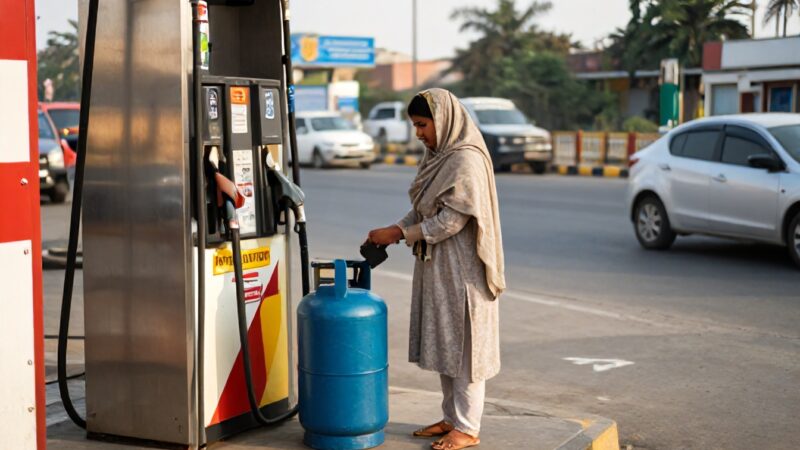
Azerbaijan’s state energy company SOCAR has expressed readiness to supply liquefied natural gas to Pakistan as the country grapples with mounting energy shortages following disruptions in LNG shipments from Qatar through the Strait of Hormuz.
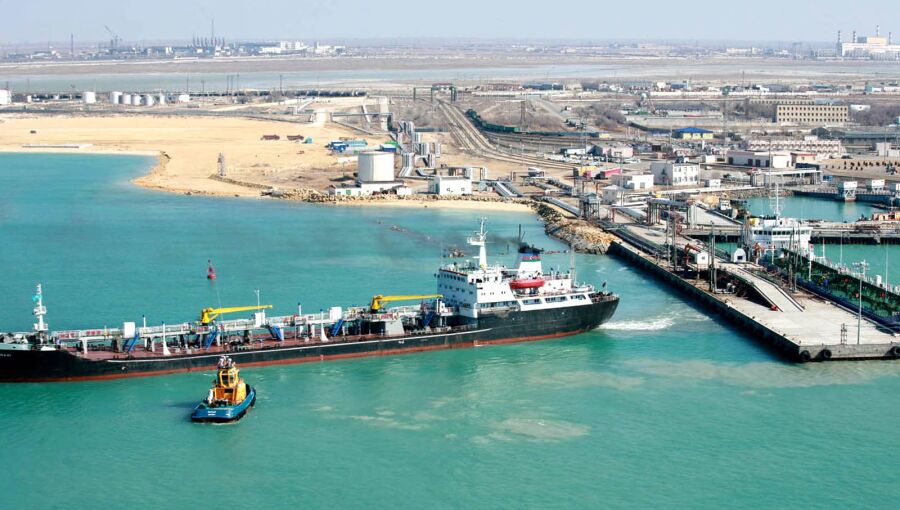
Azerbaijan has emerged as a potential lifeline for Pakistan’s struggling energy sector, with the Caspian Sea nation’s state energy company SOCAR announcing its readiness to supply liquefied natural gas at short notice. The offer comes as Pakistan faces escalating power shortages linked to disruptions in traditional LNG supply routes from Qatar.
The development follows high-level diplomatic engagements between Islamabad and Baku, including a business roundtable chaired by Pakistan’s Finance and Revenue Minister. The discussions centered on expanding energy cooperation between the two nations and exploring new avenues for investment in Pakistan’s oil and gas sector.
Key Developments:
- SOCAR ready to supply LNG upon receipt of formal request from Pakistan
- Qatar LNG shipments disrupted amid regional tensions in Gulf
- High-level business roundtable held between Pakistani and Azerbaijani officials
- SOCAR set to finalize oil and gas investment plans in Pakistan next month
Regional Tensions Disrupt Energy Supply Chains
The timing of Azerbaijan’s LNG offer coincides with a significant disruption in Pakistan’s energy supply chain. Coordinated strikes on Iran by the United States and Israel last month triggered counter-strikes across the Gulf region, raising tensions in one of the world’s most critical energy transit corridors. The Strait of Hormuz, through which the majority of Qatar’s LNG shipments to Pakistan pass, has become increasingly precarious as regional stability deteriorates.
Pakistan has responded by maximizing furnace oil usage at power plants and delaying scheduled nuclear maintenance shutdowns. However, these measures are temporary solutions to a structural problem that requires diversified energy sources and reliable supply arrangements.
The disruption has exposed Pakistan’s vulnerability to supply chain shocks in the Gulf region. Energy analysts have long warned that over-reliance on a single LNG supplier and a single transit route poses significant risks to the country’s energy security.
SOCAR’s Expanding Role in Pakistan
Beyond the LNG supply offer, SOCAR has signaled its intention to deepen investment in Pakistan’s oil and gas sector. The company’s representatives indicated during recent discussions that concrete investment plans would be finalized next month. This follows a series of engagements between Azerbaijani business delegations and Pakistani officials over the past year.
SOCAR’s interest in Pakistan aligns with Azerbaijan’s broader strategy of expanding its energy footprint beyond traditional European markets. The company has been actively exploring opportunities in South Asia, viewing Pakistan as a strategic partner with significant untapped potential.
The proposed investments could include upstream oil and gas exploration, development of infrastructure for LNG handling, and potential participation in Pakistan’s downstream petroleum sector. Details of the investment framework are expected to be announced following the finalization of discussions next month.
Azerbaijan’s energy outreach to Pakistan comes at a time when the European Union has also praised Azerbaijani gas supplies as an important backbone of its own energy security. This positioning gives Azerbaijan considerable leverage in positioning itself as a reliable alternative supplier for nations seeking to reduce dependence on Gulf LNG.
Implications for Pakistan’s Energy Security
The potential arrangement with SOCAR represents a strategic shift in Pakistan’s energy diplomacy. By diversifying its LNG sources to include Caspian Basin suppliers, Pakistan can reduce its exposure to volatility in the Gulf region. The Caspian Sea route, while logistically more complex than Gulf transit, offers greater political stability and insulation from regional conflicts.
Energy economists note that Azerbaijan’s LNG could be transported through multiple routes, including potential pipeline connections through Turkey and the Eastern Mediterranean, or via maritime routes that bypass the Persian Gulf entirely. These alternatives, while currently more expensive than direct Gulf shipments, provide valuable insurance against supply disruptions.
The government has indicated that it is actively evaluating the technical and commercial aspects of the SOCAR proposal. Negotiations are expected to accelerate in the coming weeks as Pakistan seeks to secure additional energy supplies ahead of peak summer demand periods.
Economic and Diplomatic Dimensions
The energy cooperation between Pakistan and Azerbaijan extends beyond commercial transactions. Both nations share historical and cultural ties, and enhanced energy partnership reinforces broader bilateral relations. Azerbaijan has been supportive of Pakistan’s position on various international forums, and the energy relationship provides a tangible foundation for continued cooperation.
For Azerbaijan, supplying LNG to Pakistan represents an opportunity to establish a presence in South Asia’s growing energy market. As European demand for Azerbaijani gas stabilizes under long-term contracts, the country is seeking to expand its customer base in Asia, where energy demand is growing rapidly.
Business leaders from both countries have emphasized the potential for joint ventures in petroleum refining, storage infrastructure, and marketing. Such partnerships could create employment opportunities and contribute to technology transfer in Pakistan’s energy sector.
Challenges and Considerations
Despite the positive momentum, several challenges remain in realizing the LNG supply arrangement. Pricing negotiations will be critical, as Azerbaijan’s LNG would likely command a premium over traditional Gulf supplies if transported via alternative routes. Pakistan’s already strained foreign exchange reserves may limit its ability to pay higher prices for imported energy.
Infrastructure requirements also pose significant hurdles. Pakistan’s existing LNG terminals are configured for reception of Qatar-bound shipments, and modifications may be necessary to handle cargoes from alternative sources. The development of floating storage and regasification facilities could provide flexibility but would require additional investment.
Nevertheless, the SOCAR offer signals a new direction in Pakistan’s energy policy, one that prioritizes supply security alongside cost considerations. As regional dynamics continue to evolve, the Azerbaijan partnership may prove to be a strategic asset in Pakistan’s quest for energy resilience.