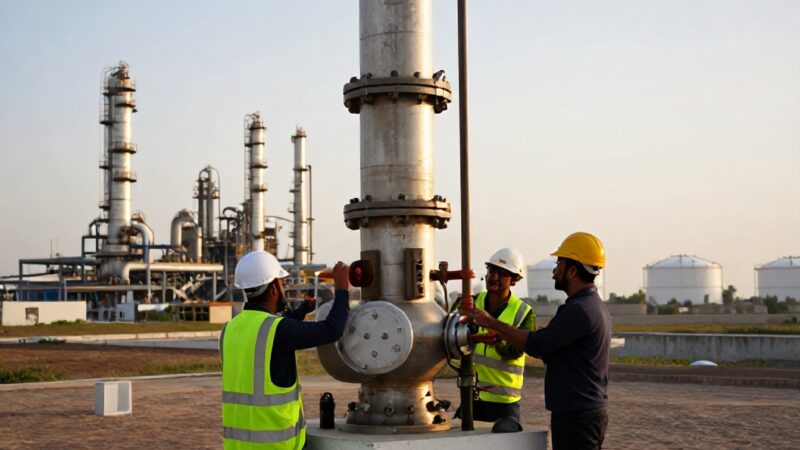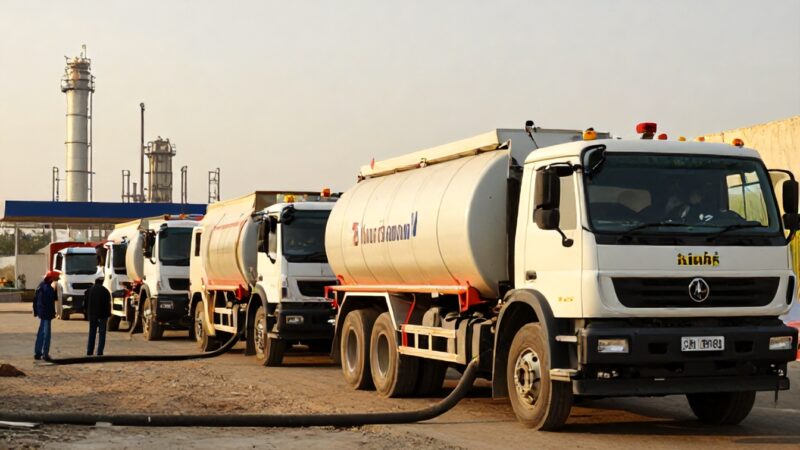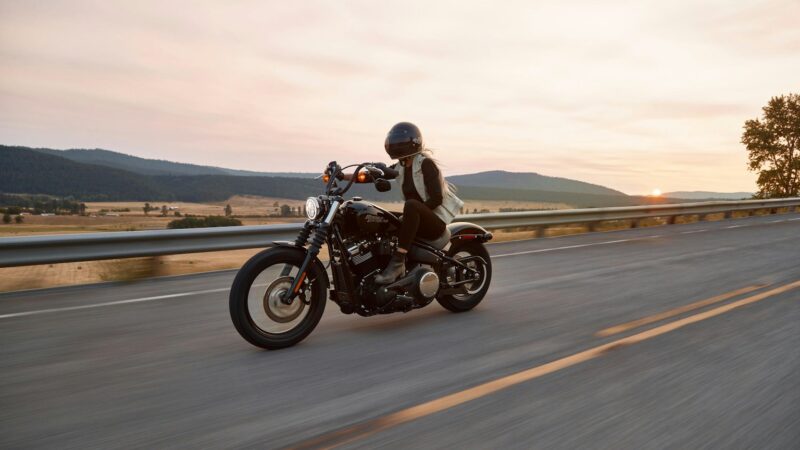
ISLAMABAD — The federal government has decided to discontinue its fuel subsidy programme for motorcyclists, small farmers, public transport operators and goods transport vehicles, citing a sustained decline in global crude oil prices that now allows the relief to be passed on to consumers directly through the weekly fuel price mechanism.
The decision was confirmed by Deputy Prime Minister and Finance Minister Ishaq Dar on the heels of Prime Minister Shehbaz Sharif’s announcement of a record Rs74 per litre cut in petrol and Rs67 per litre cut in high-speed diesel (HSD) — the largest single rollback in recent memory. With international crude now trading well below its mid-2026 peak, the government has concluded that the subsidy has run its course and that further relief will now flow through the regular price review instead of through cash transfers and fuel coupons.
Why the Subsidy Is Being Ended
The fuel subsidy package was originally introduced in early 2026 to shield the most vulnerable transport users from a runaway spike in international oil prices caused by the US–Iran conflict and the disruption to flows through the Strait of Hormuz. At its peak, petrol crossed the historic Rs458.40 per litre mark and high-speed diesel touched Rs520.35 per litre, forcing the government to step in with direct support for the bottom of the transport pyramid.
With Brent crude now back below USD 80 a barrel, refined product prices have eased sharply, and the federal cabinet has determined that passing on the full global decline through pump prices is more efficient than maintaining a parallel subsidy disbursement system. The new rates of Rs299.50/litre for petrol and Rs311.47/litre for diesel represent a Rs74 and Rs67 cut respectively, taking retail prices back to levels not seen since late 2025.
Who Is Affected by the Subsidy Withdrawal
Four categories of beneficiaries will see their monthly fuel support payments end as the new price regime kicks in:
Motorcyclists
Monthly cash transfers of Rs2,000–Rs4,000 under the federal and Sindh motorcycle subsidy programmes will be discontinued.
Small Farmers
Tractor and small-engine fuel support that was being routed through provincial agriculture departments will be wound down.
Public Transport Operators
Winger, coaster, intercity bus and minibus operators receiving the transport differential subsidy will be moved back to standard pump pricing.
Goods Transport Vehicles
Trucks, loaders, and freight carriers that were being compensated for fuel cost spikes will return to the standard commercial diesel rate.
New Petrol and Diesel Prices — City by City
The reduced rates came into effect from midnight June 19, 2026 and apply uniformly across Pakistan. Here is the current snapshot:
| City | Petrol (per litre) | Diesel / HSD (per litre) | Trend |
|---|---|---|---|
| Karachi | Rs299.50 | Rs311.47 | ▼ Rs74 / Rs67 |
| Lahore | Rs299.50 | Rs311.47 | ▼ Rs74 / Rs67 |
| Islamabad | Rs299.50 | Rs311.47 | ▼ Rs74 / Rs67 |
| Faisalabad | Rs299.50 | Rs311.47 | ▼ Rs74 / Rs67 |
| Peshawar | Rs299.50 | Rs311.47 | ▼ Rs74 / Rs67 |
| Quetta | Rs299.50 | Rs311.47 | ▼ Rs74 / Rs67 |
| Multan | Rs299.50 | Rs311.47 | ▼ Rs74 / Rs67 |
Note: Small ex-depot variations (a few rupees) may apply in some regions due to transport and dealer margins. For the most accurate city-specific rates today, see our Petrol Price in Pakistan Today — June 2026 and Diesel Price in Pakistan live trackers.
How the New Price Compares to the 2026 Peak
The latest cut brings retail prices back into a far more manageable band for ordinary consumers. Here is how the year has played out so far:
| Period in 2026 | Petrol / Litre | Diesel / Litre | Trigger |
|---|---|---|---|
| February – March (pre-crisis) | Rs266.17 | Rs280.86 | Stable, global oil ~USD 75 |
| April (war-driven spike) | Rs458.40 | Rs520.35 | US–Iran conflict, Hormuz risk |
| May (partial relief) | Rs399.86 | Rs399.58 | First subsidy disbursements |
| Mid-June | Rs373.50 | Rs378.47 | Continued subsidy support |
| June 20 onwards (new) | Rs299.50 | Rs311.47 | Subsidy ended, full global cut passed on |
For a full historical view, see our complete history of diesel prices in Pakistan (2019–2026) and the Pakistan petrol price history archive.
What the Government Is Saying
— Prime Minister Shehbaz Sharif, statement from the PM Office, June 19, 2026
— Deputy Prime Minister / Finance Minister Ishaq Dar, briefing to journalists, June 22, 2026
What the Subsidy End Means in Practice
For a typical 70cc motorcycle rider burning around 10 litres of petrol a month, the new price translates into a direct monthly saving of about Rs740 — exactly the kind of relief the subsidy was meant to deliver, but now arriving automatically. A small goods transport truck running on 400 litres of diesel a month now saves close to Rs26,800 a month on fuel alone, which is a bigger absolute benefit than any subsidy tranche the government was issuing.
Farmers using diesel-powered tube wells will see their input cost fall in line with the new Rs311.47/litre HSD rate, and the government has hinted that any fresh global price spike will be rebuffed through the same mechanism rather than through a revived subsidy.
Will the Subsidy Come Back?
Officials have indicated that the subsidy framework has not been permanently scrapped — it is being paused. If global crude prices climb again, the government retains the legal and administrative machinery to restart the targeted subsidy for the same four beneficiary categories. For now, the price mechanism is doing the work, and pump prices are at their lowest in over twelve months.
For tracking the next weekly review, watch our Petrol Price in Pakistan Today — June 2026 page and the OGRA fuel price notification feed.
Frequently Asked Questions
From June 20, 2026, petrol is Rs299.50 per litre nationwide, down Rs74 from the previous Rs373.50.
High-speed diesel (HSD) is now Rs311.47 per litre, down Rs67 from the previous Rs378.47.
Yes. The federal government has confirmed that the motorcycle, farmer, public transport and goods transport fuel subsidy programme has been discontinued with the new price cut.
Because global oil prices have declined, allowing the full benefit of the global drop to be passed on directly to consumers through the pump price — including the same bikers, farmers and transporters who were receiving the subsidy.
Officials have indicated the framework is paused, not cancelled, and can be restarted if global crude returns to a sustained high level.
A rider using 10 litres of petrol a month saves about Rs740 a month at the new Rs299.50/litre rate — equivalent to the subsidy amount, but now automatic.
Final Word
The decision to end the targeted fuel subsidy is a direct admission by Islamabad that the global oil tide has turned. With petrol at Rs299.50 and diesel at Rs311.47 — the lowest combined retail level in over a year — the same households, farmers and transport operators who were receiving the subsidy are now getting an even larger, automatic relief at the pump. The government’s message is simple: while global prices stay soft, the relief is built into the rate. If they spike again, expect the subsidy machinery to be reassembled quickly.